- 1. What Is Huan Tap?
- 2. The Origin and Meaning of Huan Tap in Buddhism
- 3. What Does Huan Tap Mean in Everyday Life?
- 4. Why Should Buddhist Practitioners and Modern People Understand Huan Tap?
- 5. Huan Tap in Spiritual Tourism: When a Journey Becomes a Form of Cultivation
- 6. Important Notes and Tips for Cultivating Positive Huan Tap During Spiritual Travel
1. What Is Huan Tap?
Huan tap refers to the gradual accumulation of a mental state or behavior through repeated practice or repetition. The word huan means to expose, infuse, or gradually permeate, while tap means to gather or accumulate. Combined, huan tap refers to the process through which something is repeated over and over until it becomes a familiar part of one's consciousness.
Importantly, huan tap does not happen instantly. No one becomes an irritable person simply because they lost their temper once. Likewise, no one becomes a truly virtuous person simply because they performed one good deed. These qualities are the result of long-term repetition. If a negative thought is nurtured every day, it can gradually become a default way of seeing the world. Conversely, if positive thinking is consistently maintained, it can gradually cultivate a peaceful and harmonious state of mind.
In modern life, we can easily observe the mechanism of huan tap through social media habits, the way we respond to work-related pressure, or how we communicate with family members. Every day, the things we choose to think, say, and do are shaping and cultivating ourselves.
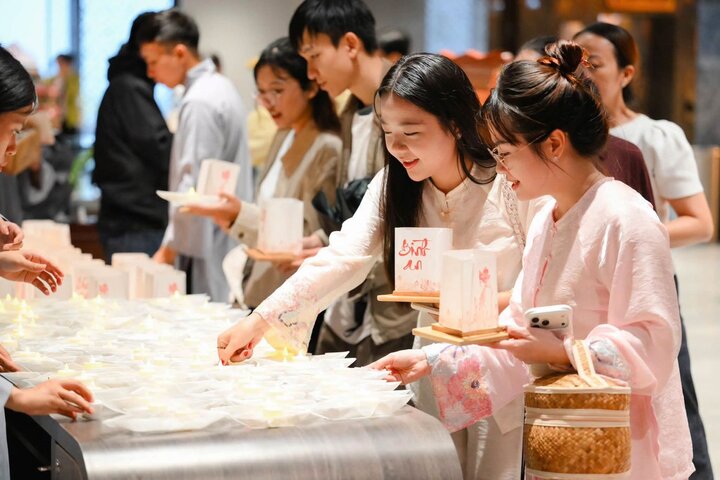
Huan tap appears in people's daily lives. (Source: Compilation)
2. The Origin and Meaning of Huan Tap in Buddhism
In the teachings transmitted by Shakyamuni Buddha, huan tap is closely associated with the concept of A lai da thuc, also known as Tang thuc. This is an important concept in the Yogacara school of Buddhist philosophy, explaining how consciousness stores karmic seeds.
According to Buddhist thought, every physical action, every spoken word, and every thought that arises in the mind leaves an imprint. This imprint does not simply disappear but is retained in the form of a chung tu (seed). These seeds remain within A lai da thuc and, when sufficient conditions arise, can manifest as results in the present or future. The process of leaving and nurturing these seeds is known as huan tap.
The deeper meaning of huan tap in Buddhism lies in its explanation of why people differ in personality, circumstances, and behavioral tendencies. Each person carries a storehouse of seeds accumulated across many lifetimes. Therefore, these differences are not considered random but rather the result of a long process of huan tap.
2.1. Huan Tap in A Lai Da Thuc
A lai da thuc is compared to a storehouse containing all wholesome and unwholesome seeds. When we generate a wholesome thought, such as compassion or tolerance, the wholesome seed is strengthened. When we generate anger, jealousy, or greed, the unwholesome seed is reinforced.
Every repetition is like watering that seed. If a person regularly cultivates gratitude, the seed of gratitude gradually becomes stronger and may eventually become a natural response to different circumstances. If someone constantly complains and blames others, negative seeds may gradually influence their entire way of viewing life.
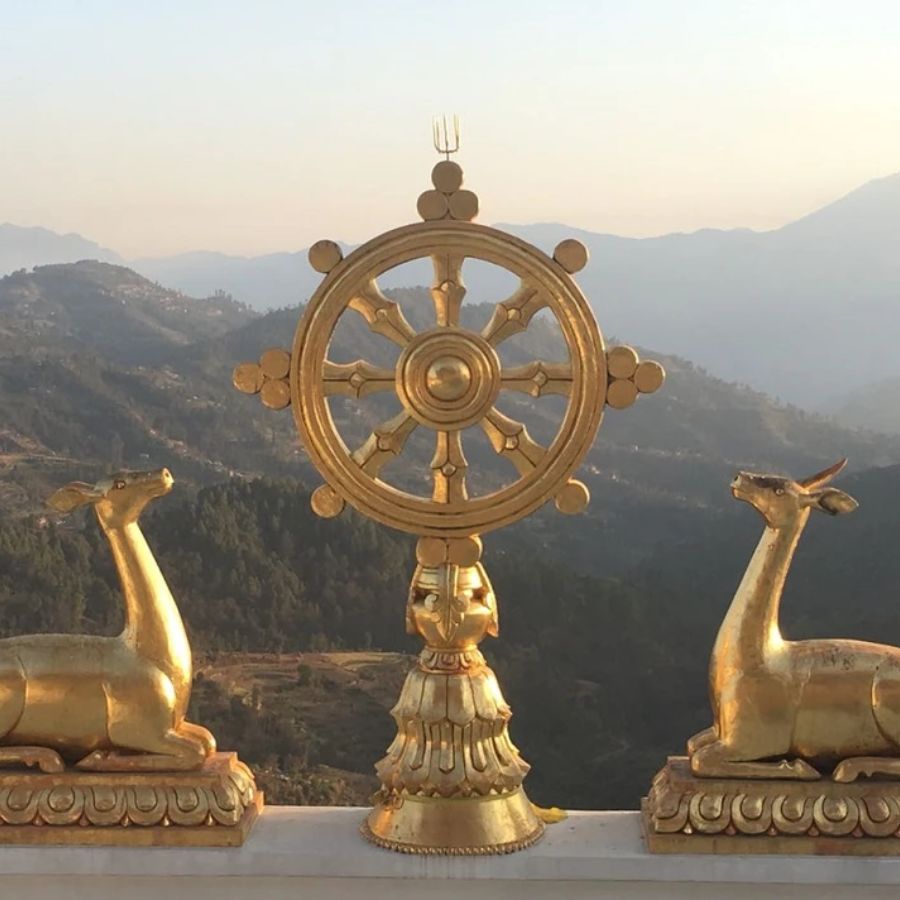
Understanding huan tap in A lai da thuc helps us recognize that things do not simply happen without causes. The mind is not an empty or random space; rather, it is like a field being planted and cultivated every day.
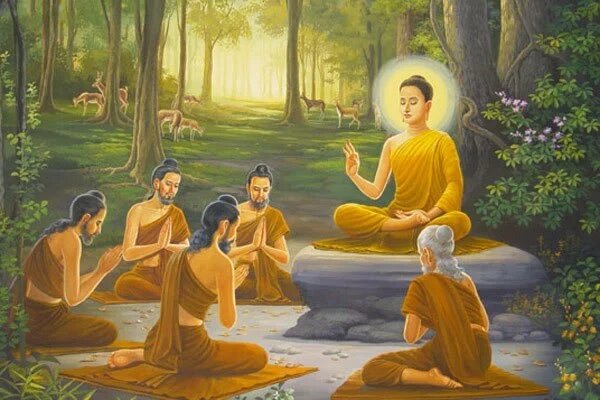
Huan tap in A lai da thuc shows that nothing happens without a cause. (Source: Compilation)
2.2. Wholesome and Unwholesome Huan Tap
Huan tap can develop in either a positive or negative direction. Wholesome huan tap is the process of nurturing seeds such as compassion, wisdom, patience, and mindfulness. Unwholesome huan tap is the process of strengthening seeds of greed, anger, ignorance, selfishness, and competitiveness.
In everyday life, the environment plays a significant role. If a person lives in an environment that constantly encourages extreme competition and comparison, they may be more likely to cultivate a competitive mindset. If they live in an environment that values kindness and sharing, they may be more likely to develop compassion and generosity.
However, the environment is only an external condition. The decisive factor remains each individual's choices. Buddhism emphasizes the role of mindfulness and awareness in recognizing what we are cultivating within ourselves. Once we become aware, transformation becomes possible.
3. What Does Huan Tap Mean in Everyday Life?
If we view huan tap only as a Buddhist term, it may seem distant from everyday reality. However, when we observe carefully, we can see that huan tap is closely related to the formation of habits as understood in modern psychology. A behavior repeated for long enough can become an automatic response. A thought repeated often enough can become a belief.
In the age of technology, people are strongly influenced by information and their surrounding environment. Daily exposure to negative news, violent images, or constant comparisons of material success can gradually cultivate anxiety and insecurity in the mind. Conversely, consciously choosing positive content, reading beneficial books, and connecting with inspiring people means we are cultivating our inner world in a more peaceful direction.

Huan tap is therefore not only relevant to practitioners but to everyone. (Source: Compilation)
3.1. Huan Tap of Habits and Thinking
A small habit can create significant changes if it is maintained consistently. For example, spending a few minutes each day reflecting on our own actions can gradually develop the ability to observe and evaluate ourselves. Practicing kind and gentle speech every day can gradually make us more peaceful and considerate communicators.
The same applies to thinking patterns. If we repeatedly think that we are inadequate, feelings of insecurity may gradually become deeply rooted. If we focus on our ability to learn and grow, a more confident mindset can gradually develop. Cultivating positive thinking does not mean deceiving ourselves; rather, it means consciously choosing a constructive perspective.
This is fully consistent with the spirit of Buddhist practice, which encourages people to observe and adjust their inner world day by day.
3.2. Huan Tap of the Environment and Energy
Living and working environments have a direct influence on our mental state. A noisy and stressful environment can easily make the mind restless. A quiet space surrounded by nature can help calm the mind.
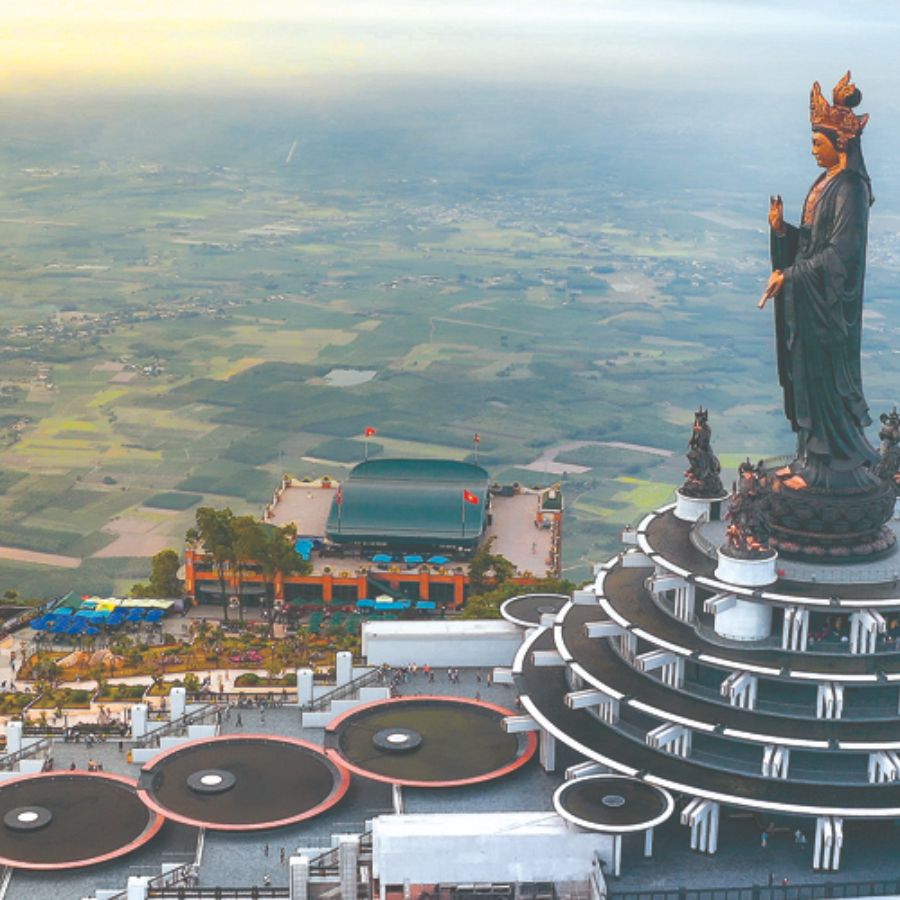
For this reason, many people visit spiritual destinations to restore their energy. Places where nature, culture, and religious traditions come together can help people temporarily step away from everyday pressures. In Vietnam, Ba Den Mountain is one such destination. It is not only a scenic attraction but also a sacred pilgrimage site where visitors can pay their respects, practice walking meditation, and listen to their inner thoughts.
When walking slowly through the mountain and forest landscape, the mind can gradually become accustomed to stillness. When participating in solemn religious rituals, the mind may cultivate faith and a desire to do good. In this way, the environment can support the process of inner transformation.
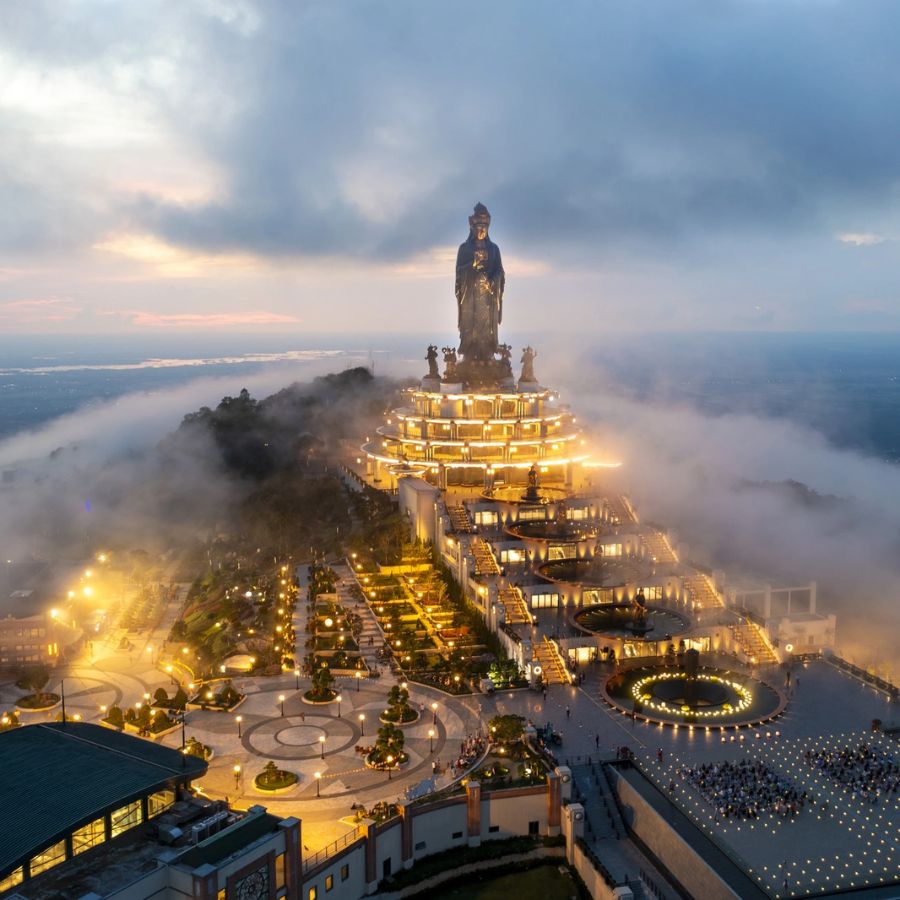
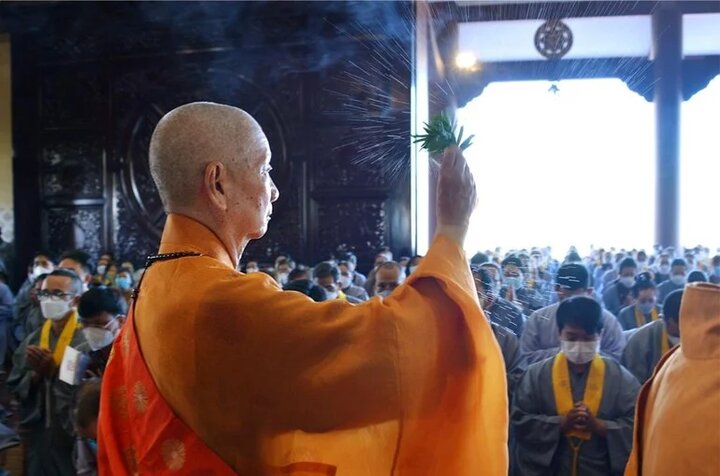
People often visit spiritual destinations to restore their energy. (Source: Compilation)
4. Why Should Buddhist Practitioners and Modern People Understand Huan Tap?
Understanding huan tap helps people take greater responsibility for their inner lives. Instead of blaming circumstances or other people, we can recognize that our reactions are influenced by processes of accumulation that have taken place over time. Once we understand this, we can begin making changes at the root.
For Buddhist practitioners, understanding huan tap can help them be patient with themselves. Inner peace cannot be expected to appear overnight. By planting wholesome seeds every day, the mind can gradually transform.
For modern people, understanding huan tap can help reduce stress and increase mindfulness. When we understand that habits can be adjusted through conscious repetition, we gain greater confidence in our ability to change ourselves. Inner peace is not necessarily something distant or unattainable; it can emerge from small but consistent choices.

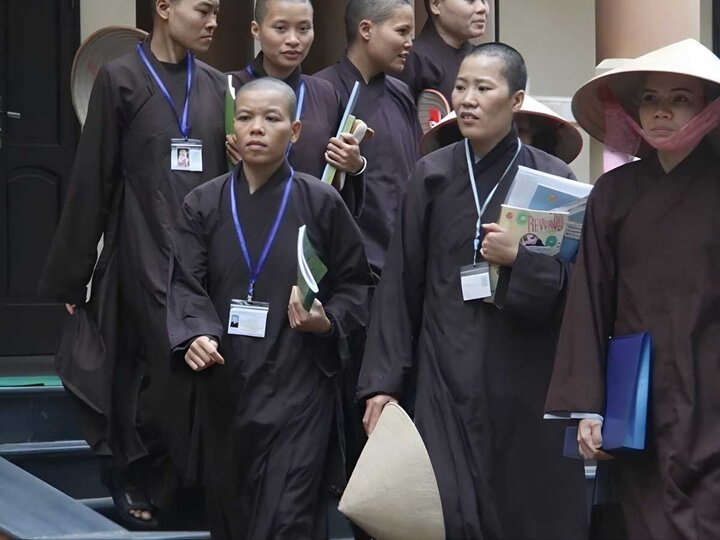
Huan tap can help people reduce stress in daily life. (Source: Compilation)
5. Huan Tap in Spiritual Tourism: When a Journey Becomes a Form of Cultivation
Today's travel trends are no longer limited to sightseeing but increasingly focus on experiences and personal well-being. Spiritual tourism has become a way for people to regain a sense of balance. In this context, huan tap has a very practical meaning.
During a pilgrimage, people do not simply travel geographically; they also embark on an inner journey. Climbing a mountain, paying respects to the Buddha, or sitting quietly in a sacred environment can all become actions performed repeatedly with wholesome intentions. This repetition can create positive huan tap. Spiritual tourism, therefore, is not merely a trip but also an opportunity for each person to cultivate greater awareness.
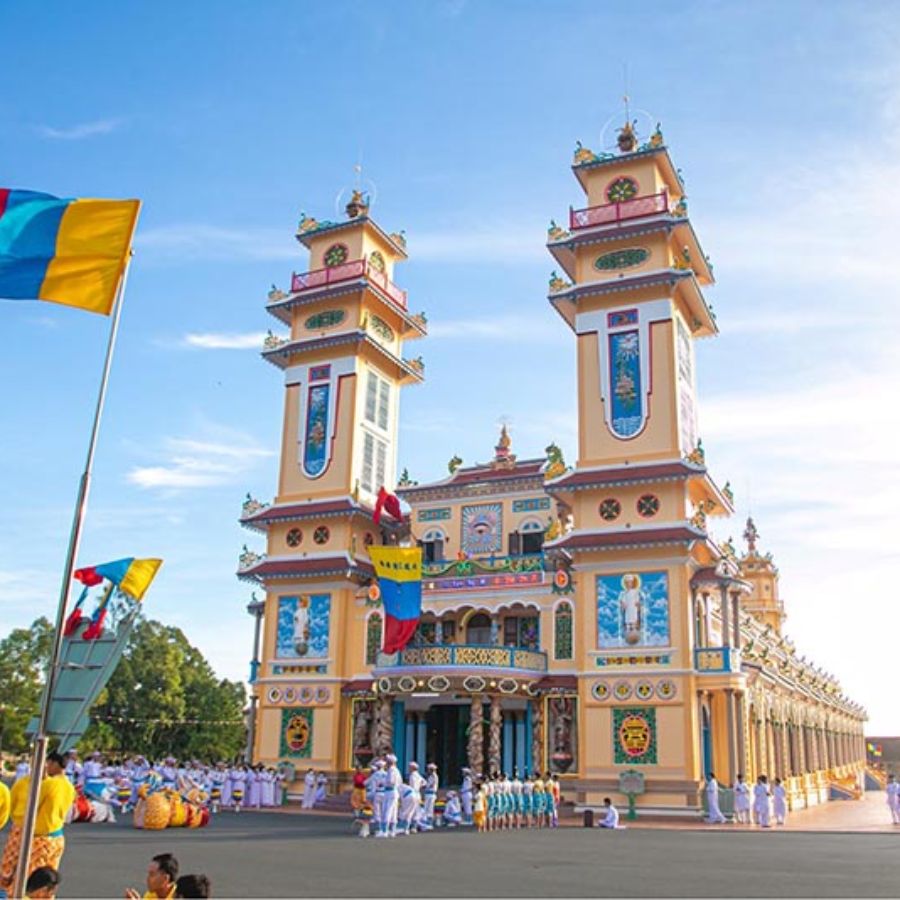
Spiritual tourism can provide opportunities for physical and mental restoration. (Source: Compilation)
6. Important Notes and Tips for Cultivating Positive Huan Tap During Spiritual Travel
For a spiritual journey to genuinely provide an opportunity for inner transformation, the most important thing is to maintain a calm and focused mind. Instead of simply taking photographs and rushing from one place to another, take time to observe the surroundings and listen to your own breathing. When the mind is not distracted by excessive external stimulation, positive huan tap can develop more deeply.
Choosing an appropriate time to travel can also make the journey more fulfilling. Less crowded periods can create better conditions for silence and reflection. In addition, respecting sacred spaces and maintaining a solemn attitude can help cultivate reverence.
More importantly, combine sightseeing with personal reflection. After each ritual or each step along the journey, ask yourself what you have learned. This reflection allows the experience to go beyond temporary emotions and become part of a longer process of huan tap.
What is huan tap, if not the story of how we shape ourselves every day? In Buddhism, huan tap helps explain the formation of karma and the process of inner transformation. In modern life, huan tap helps explain how habits and environments shape personality.
When we understand huan tap, we no longer live entirely unconsciously. We begin to choose our thoughts, words, and actions with greater awareness. We consciously choose our environment, our experiences, and the journeys that have the potential to nurture our inner lives.