1. Why Practice a Vegetarian Diet from a Health Perspective
1.1. What Are the Benefits of a Vegetarian Diet for Cardiovascular and Metabolic Health?
A diet rich in vegetables, whole grains, and legumes can help limit saturated fat intake and reduce blood cholesterol levels. Numerous systematic reviews have shown that people who prioritize plant-based foods tend to have lower levels of total cholesterol and LDL cholesterol, commonly known as “bad cholesterol.” This trend has been associated with a lower long-term incidence of ischemic heart disease.

A vegetarian diet can help limit saturated fat and reduce blood cholesterol levels. (Source: Collected)
Plant-based diets generally provide abundant soluble fiber and antioxidants. Compounds such as polyphenols and flavonoids found in vegetables and fruits act as antioxidants and have been associated with improved blood lipid profiles. At the same time, soluble fiber helps reduce cholesterol absorption in the intestines, thereby contributing to a lower risk of atherosclerosis.
1.2. What Is the Purpose of a Vegetarian Diet for Weight Management?
Plant-based foods generally have a lower energy density than animal-based foods, meaning that they provide fewer calories for the same amount of food while being rich in fiber and water, which can increase feelings of fullness and support weight management. The high fiber content of vegetables and whole grains contributes to greater stool bulk and slows digestion. As a result, the body may be better able to maintain a stable weight over the long term.
The important point is to follow a vegetarian diet properly while ensuring adequate intake of all essential nutrient groups. A well-planned diet can help prevent fatigue and low energy levels throughout the day. Many people who follow a plant-based diet for one month report feeling less bloated and experiencing easier digestion due to increased fiber intake compared with their previous diet.
1.3. What Is the Purpose of a Vegetarian Diet for Digestive and Immune Health?
The gut microbiome plays an important role in digestion, nutrient absorption, and immune regulation. A high-fiber diet creates favorable conditions for beneficial bacteria to thrive, allowing them to produce short-chain fatty acids that help strengthen the intestinal barrier and reduce inflammatory responses. Fiber from vegetables and fruits also supports intestinal motility, helps prevent constipation, and improves microbial diversity.
Plant-based foods provide vitamins and minerals such as vitamin C and vitamin E, along with various other antioxidants. However, people following a vegetarian diet should pay particular attention to obtaining adequate vitamin B12, iron, and zinc from nutrient-rich foods or appropriate supplements. This can help reduce the risk of deficiencies, as these micronutrients are often more concentrated in animal-based foods.
2. What Is the Purpose of a Vegetarian Diet for Spiritual Well-Being?
2.1. How Can a Vegetarian Diet Contribute to Inner Peace?
Vegetarianism is often associated with a lifestyle that emphasizes awareness and mindfulness in everyday food choices. When considering each meal, many people become more aware of the connection between nutrition and the body. Understanding what we consume can also encourage greater attention to our health and our genuine physical needs.
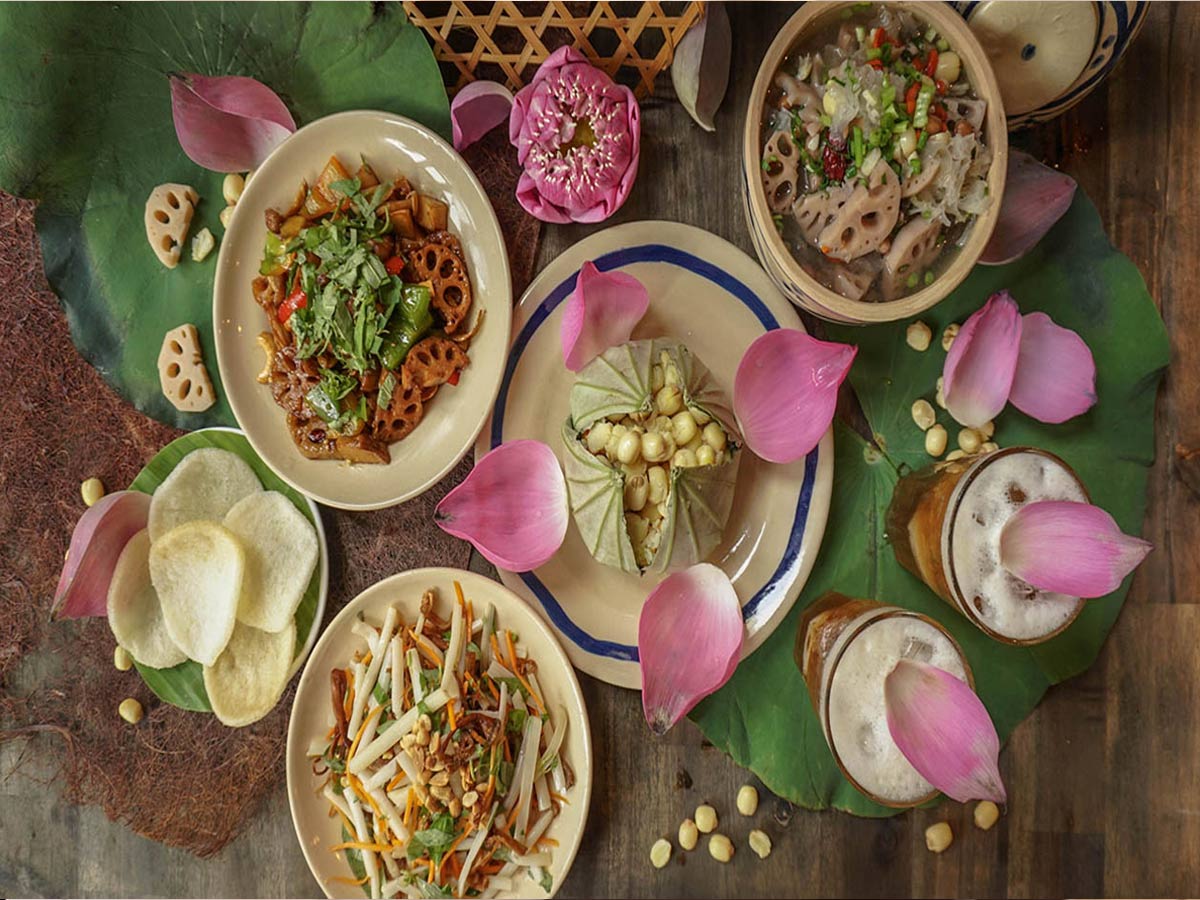
A vegetarian diet is often associated with a lifestyle centered on awareness and mindfulness. (Source: Collected)
In Vietnam, Buddhist culture has contributed to the tradition of eating vegetarian food on the first and fifteenth days of the lunar month. Many people choose vegetarianism as part of their spiritual practice, viewing it as a way to turn the mind toward purity and tranquility. This contributes to a solemn and peaceful atmosphere during traditional occasions.
2.2. How Can a Vegetarian Diet Help Cultivate Compassion?
In many Eastern traditions, the principle of refraining from taking life emphasizes respect for living beings and the cultivation of compassion. Reducing the consumption of animal products can be regarded as a way of expressing concern for other living creatures. In the context of expanding industrial production, this choice may also help reduce pressure on ecosystems and natural habitats.
When exploring why people practice a vegetarian diet, it becomes clear that a dietary practice rooted in religion has gradually evolved into a lifestyle that many people consciously choose. Many individuals follow this diet not only because of religious beliefs but also because they want to live more responsibly toward themselves and society. This reflects growing awareness of environmental concerns and the desire to live in greater harmony with other forms of life.
2.3. Experiencing Vegetarian Cuisine in Spiritual Destinations
When traveling to spiritual destinations, many visitors combine sightseeing and worship with the experience of vegetarian cuisine. One destination chosen by many travelers is Sun World Ba Den Mountain in Tay Ninh, which attracts visitors with its tranquil atmosphere and vegetarian dishes suitable for pilgrims. This combination creates a sense of relaxation and balance between sightseeing, spiritual practice, and healthier dietary choices.
Located in Hoa Thanh, Tay Ninh, the tourism complex associated with Ba Den Mountain stands at 986 meters above sea level. A modern cable car system takes visitors to the temple area and the Phat Ba Tay Bo Da Son statue, making sightseeing and pilgrimage more convenient. In this setting, enjoying vegetarian cuisine becomes a natural part of the overall experience, complementing the spiritual atmosphere and slower pace of life on the mountain.
👉 BOOK YOUR TICKET TO SUN WORLD BA DEN MOUNTAIN NOW!
3. What Is the Purpose of a Vegetarian Diet for the Environment and Society?
3.1. How Can a Vegetarian Diet Help Reduce Greenhouse Gas Emissions?
The livestock industry contributes significantly to greenhouse gas emissions through animal digestion and waste management. Numerous reports from international organizations have noted that plant-based diets are generally associated with lower emissions because they reduce demand for animal-based food production. This can help reduce pressure on natural resources and the environment.

Plant-based diets are generally associated with lower emissions because they reduce demand for animal-based food production. (Source: Collected)
Reducing the consumption of animal-based foods may also contribute to lower emissions of methane and nitrous oxide, two gases with significant global warming potential. This shift can be viewed as an adjustment in consumption habits toward greater sustainability. In this way, everyday food choices affect not only personal health but also the global ecosystem.
3.2. What Is the Purpose of a Vegetarian Diet for Water and Land Resources?
Producing red meat such as beef requires substantial amounts of water, with estimates indicating that tens of thousands of liters of water may be needed to produce 1 kilogram of finished product. Vegetables, by comparison, generally require significantly less water during cultivation. This difference illustrates the contrasting levels of resource use associated with these two categories of food.
Reducing the consumption of animal-based foods can help ease pressure on water supplies and agricultural land. At the same time, the need to expand land for growing animal feed or developing grazing areas can also be kept within more sustainable limits. This is considered one factor relevant to the sustainable use of natural resources.
3.3. What Is the Purpose of a Vegetarian Diet in the Sustainable Living Movement?
Vegetarianism is often considered part of the broader trend toward green living and sustainable consumption. By prioritizing plant-based foods, consumers may contribute to reducing resource extraction and using energy more efficiently. At the same time, this choice can create greater demand for food production models that are more environmentally friendly.
The question “Why practice a vegetarian diet?” is no longer limited to the realm of religion. It can also be a choice aimed at supporting health, cultivating inner peace, and demonstrating responsibility toward the environment. When practiced properly and with an understanding of its principles, vegetarianism does not have to mean rigid restriction. Instead, it can be viewed as a journey toward greater balance and sustainability in everyday meals.
Beyond the hurried pace of worldly life, Ba Den Mountain stands as a powerful spiritual landmark, where the mountain is not merely a geological formation but also a symbol of humanity’s aspiration to reach something greater. The lofty summit offers an extraordinary sense of stillness, where only the wind moving through the rocky crevices and the cool breath of mountain clouds remain, enveloping the paths amid an almost otherworldly landscape.
The highland scenery here is more than a visual experience; it can also become a state of mind, allowing visitors to let go of distractions and restore inner clarity, like the still surface of distant Dau Tieng Lake. This tranquility marks the beginning of a journey inward, within a deeply spiritual environment.
The serenity radiating from ancient trees and drifting layers of mist creates an ideal setting for profound reflection on the meaning of existence. Standing beneath the vast sky, travelers may sense an invisible connection between the smallness of the individual self and the boundless power of nature, preparing the mind for a deeper spiritual encounter rooted in faith.
Continuing this contemplative journey, as visitors move toward the heart of the spiritual complex, the Câu Na Hàm Buddha statue appears in a majestic setting, marking a transition from the beauty of nature to the solemnity of Buddhist wisdom. The statue of the second Buddha of the Fortunate Aeon stands with a compassionate expression and a gaze that seems to reach into the depths of the human heart, creating a remarkable sense of protection and understanding.
Every fold of the robes and every detail of the lotus pedestal conveys a message of patience amid the scent of incense and the mist surrounding this sacred site. The presence of the Buddha reminds visitors to let go of the ego and seek peace and truth deep within themselves, embracing a state of serenity and ease.
The peaceful flow of the journey then leads the soul into the refreshing greenery of Uu Dam Meditation Garden, where the values of meditation are brought to life through an exquisite landscape. Inspired by the legendary Udumbara flower, the garden is a delicate arrangement of moss-covered stones and precious flowers, creating a miniature paradise within the sacred mountain.
The gentle sound of flowing streams blends with the ringing of temple bells to create a meditative melody that helps wash away the final traces of worry from the mind. Uu Dam Meditation Garden concludes the journey with a poetic moment of stillness, where each person can nurture the seeds of kindness and experience the rhythm of life in every peaceful moment before returning to the fast-paced world of everyday life.