1. Understanding the Nature of Suffering to Overcome It
1.1. Suffering Comes More from Our Thoughts Than from Circumstances
Human suffering is not merely a reaction to external events such as loss or failure. To a large extent, it originates from the way each person interprets and responds to what happens. When facing difficulties, many people tend to fall into negative thought patterns, exaggerate the impact of events, and blame themselves when things do not unfold as expected. This way of perceiving situations can quietly create pressure that is greater than the event itself.
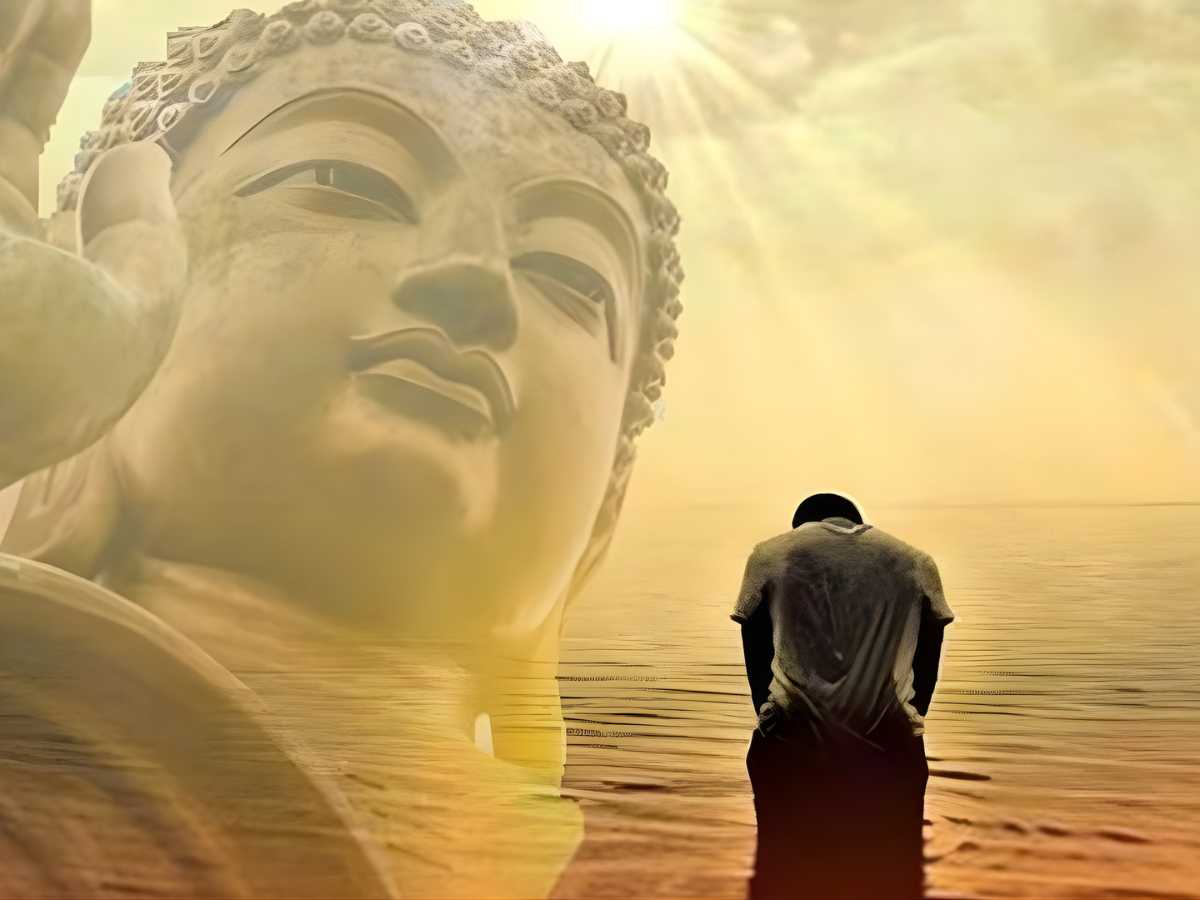
Human suffering largely originates from the way each person interprets and responds to events. (Source: Collected)
This reaction is often reinforced by psychological habits formed over time, causing negative thoughts to repeat and difficult emotions to persist. When distorted perceptions become dominant, people tend to focus only on the unfavorable aspects of a situation instead of viewing the issue comprehensively. This increases stress and feelings of helplessness along the journey of overcoming challenges.
Clearly recognizing this pattern of thinking is the first step toward understanding that suffering does not come entirely from external circumstances, but largely from the way each person thinks internally. By changing the way we evaluate events, we can view problems from multiple perspectives rather than through a fixed negative lens. As a result, emotions gradually become more balanced, and the healing process becomes gentler.
1.2. Attachment Causes Suffering to Persist
One of the reasons suffering can last for a long time is our attachment to the past, past experiences, and unrealistic expectations about the future. When the mind places too much emphasis on achieving a perfect outcome or attempts to control every aspect of life, people can easily fall into a state of stress and anxiety. This self-created pressure causes emotional burdens to become heavier over time.
Letting go does not mean refusing to take responsibility. Instead, it means adjusting our perspective toward things beyond our control. It is an acceptance that certain situations unfold in their own way and that we can only choose an appropriate response. When attention is brought back to the present, each person can feel more proactive in their actions.
1.3. Accepting Emotions Is the First Step Toward Healing
Denying or suppressing negative emotions does not usually make them disappear. Instead, they may continue to grow quietly in the subconscious and affect our mental well-being. When these emotions are not acknowledged, they can accumulate and create a difficult-to-define psychological burden. Prolonged avoidance can make the inner world increasingly heavy over time.
Rather than avoiding emotions, accepting them, naming them, and recording what we are experiencing can help release accumulated psychological pressure. Keeping a journal, observing thoughts as an outside observer, or simply acknowledging our current emotional state are ways to better understand our inner world. This calm observation creates an opportunity to recognize emotions more clearly and consciously.
2. How to Overcome Suffering Through Inner Transformation
2.1. Develop the Ability to Think Positively
To transform the inner self, each person needs to practice looking at problems from multiple perspectives instead of remaining trapped in negative thoughts. By broadening our approach, we can recognize that every situation has different dimensions. Flexibility in thinking helps emotions become more balanced and less overwhelming.
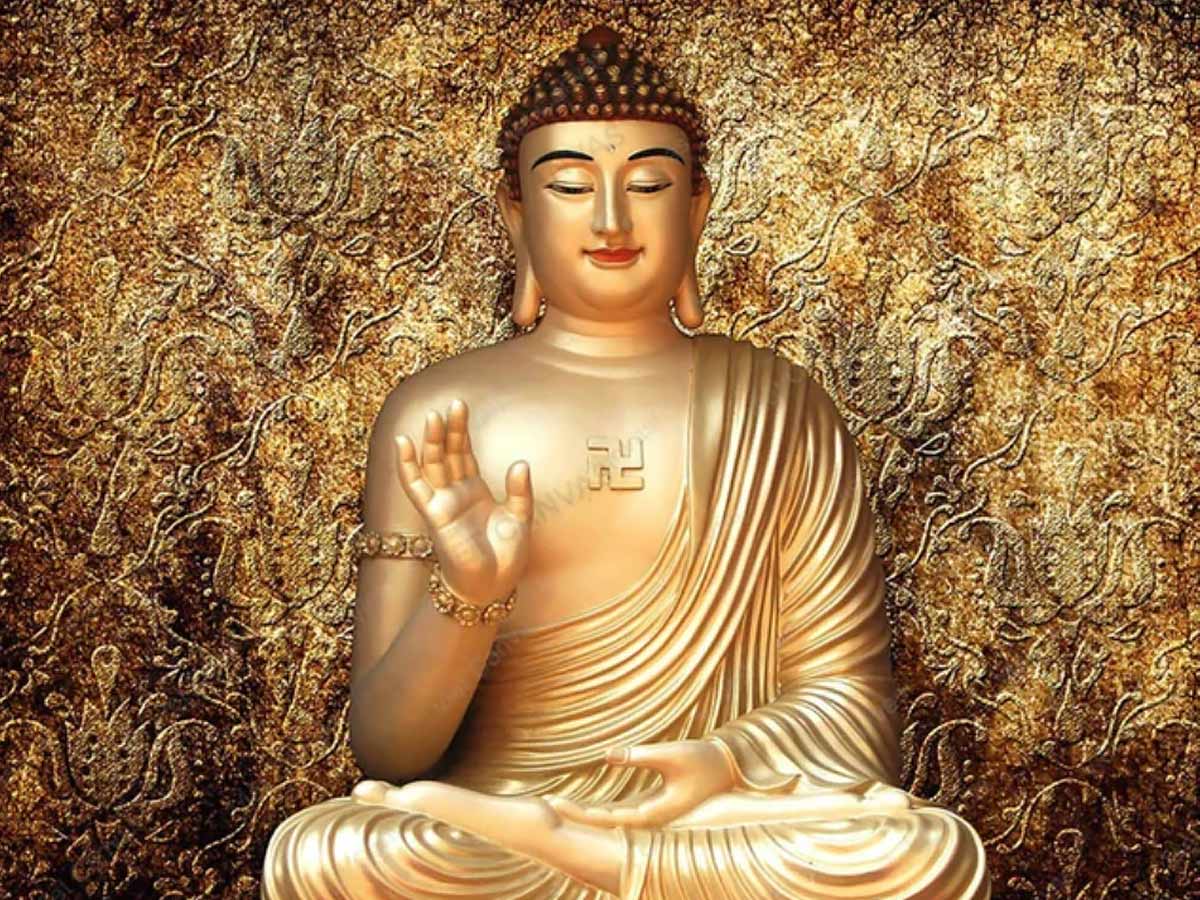
Practice viewing problems from multiple perspectives to maintain a positive mindset. (Source: Collected)
Cultivating a positive mindset does not mean being unrealistically optimistic. Rather, it means being able to evaluate situations fairly while identifying positive aspects within each circumstance. The key is to maintain a clear and conscious perspective instead of allowing emotions to control our entire thought process. As a result, decisions can be made with greater stability and a stronger foundation.
2.2. Build Habits That Care for Both Body and Mind
Physical health is closely connected to each person’s mental state. When the body receives adequate rest, regular exercise, and a balanced diet, the mind also tends to become more stable. Proper self-care helps the body adapt more effectively to everyday pressures.
Habits such as meditation, deep breathing, reading, or reducing time spent on social media are simple ways to create moments of stillness for the mind. When there is enough space to relax, the mind becomes less overwhelmed and thoughts become clearer. This is a small step that can have a positive impact on cultivating inner calm.
2.3. Seek Support When Necessary
When reflecting on how to overcome suffering, sharing thoughts and emotions with family members or friends can be a way to release the pressures that have accumulated inside. When people feel heard and understood, difficult emotions can gradually become lighter. Genuine connection provides a sense of safety and companionship, helping individuals become more resilient when facing difficulties.
Choosing to seek support is not a sign of weakness. Instead, it reflects the courage to confront one’s own problems. When a person is willing to acknowledge the need for help, they are learning to care for themselves in a more mature way. Over time, this creates a stronger foundation of emotional support.
3. Experiencing Change and Movement to Renew Emotional Energy
3.1. Changing Your Living Environment to Change Your Mood
The surrounding environment can have a noticeable impact on a person’s emotions and mental state. When immersed in open spaces, greenery, mountains, or expansive skies, people often feel lighter and more at ease. A change of scenery allows the mind to temporarily distance itself from familiar sources of pressure.

Changing your environment can have a noticeable impact on your emotions and mental state. (Source: Collected)
Activities such as walking, taking a short trip, or spending time outdoors provide an opportunity for the brain to rest after a busy routine. When the mind receives renewed energy, it can also adapt more easily to everyday challenges. Such periods of rest serve as a stepping stone toward greater emotional stability and well-being.
3.2. Spiritual Journeys and Inner Reflection
During journeys in search of tranquility, placing oneself in a vast and peaceful natural environment gives each person an opportunity to slow down and reflect more deeply. When temporarily stepping away from the familiar rhythm of daily life, the mind gradually creates space to recognize its inner movements more clearly. This stillness provides favorable conditions for reconnecting with oneself in a natural way.
3.3. Set New Goals to Redefine Yourself
Setting small and realistic goals is a way for individuals to gradually regain a sense of control over their lives. By completing simple steps one at a time, we can clearly feel positive movement throughout the process of personal transformation. These seemingly small actions create a solid foundation for inner strength.
Recognizing daily progress, no matter how small, helps reinforce confidence in our ability to regulate our own emotions. When we realize that we are changing in a positive direction, the mind also becomes more open. From there, a new path gradually emerges, bringing renewed hope and positive energy.
When asking how to overcome suffering, it becomes clear that suffering can be part of the journey of growth, but it does not have to be a place where we remain forever. By understanding our emotions, changing the way we think, and proactively caring for our inner lives, each person can gradually find a path that is right for them. Peace does not come from a life without difficulties, but from the inner strength that enables us to move through challenges with greater stability.
Leaving behind the bustle at the foot of the mountain, visitors who reach the summit of Ba Den Mountain also enter a completely different world, where stillness covers everything like a soft velvet curtain. Amid the towering mountains, the breath of nature feels remarkably pure. Only the wind passing through the rocky cliffs remains, blending with the rustling sounds of the forest echoing from distant valleys.
The landscape here extends beyond the drifting mist surrounding the mountain peak. It also offers a profound sense of peace when visitors stand amid the clouds and gaze at the tranquil blue waters of Dau Tieng Lake stretching quietly below.
This tranquility allows people to completely release their everyday burdens, leaving the soul feeling light and clear like a mirror. From this peaceful state, the heart begins to awaken to sacred emotions, ready to guide visitors deeper into a journey of discovering the mysterious spiritual values present at this heritage summit.
The soul’s sense of stillness finds a firm point of support as visitors enter the worship area of the Câu Na Hàm Buddha statue. Located within a majestic spiritual complex, the statue of the second Buddha of the Fortunate Aeon appears with a compassionate and all-seeing expression, radiating a sense of peace throughout the misty, wind-swept atmosphere of the sacred mountain.
Every intricate sculptural detail, from the serene posture to the flowing folds of the robes, conveys ideas of compassion and steadfastness. These elements invite visitors to reflect more deeply on the value of cultivating inner peace amid the uncertainties and worries of everyday life.
Standing beneath the lotus pedestal, surrounded by the scent of incense mingling with the cool mountain air, the distance between the human world and the sacred realm seems to dissolve beneath the Buddha’s compassionate gaze. This becomes a place where the determination to conquer the summit connects with the deeper aspiration to seek truth within one’s own heart.
The journey thus becomes more than sightseeing. It becomes a moving encounter with the compassionate and wholesome self that exists within each person. At this moment, tranquility becomes the most precious gift offered to travelers in this mystical sacred mountain landscape.
This peaceful flow ultimately leads visitors into the cool green surroundings of Uu Dam Meditation Garden, where meditation philosophies are brought to life through the delicate arrangement of human creativity and nature. Inspired by the legendary flower said to bloom only once every three thousand years, the garden opens into a pure and tranquil setting, with white gravel paths winding among precious flowers that quietly release their fragrance.
The gentle sound of water flowing over moss-covered rocks blends with distant temple bells, creating a quiet symphony that helps wash away the final traces of worry remaining in the traveler’s mind amid this meditative environment.
Uu Dam Meditation Garden brings the journey to a poetic close, where each person can nurture the seeds of serenity and fully experience the rhythm of life in moments of profound stillness. It is a fitting place to pause, restore one’s energy, and prepare to return to the fast-paced world of everyday responsibilities.