1. What Is Karma and Why Is It Important to Understand Your Own Karma?
1.1. The Concept of Karma in Everyday Life and Spirituality
Karma is a concept commonly discussed in spirituality and the philosophy of cause and effect. In Sanskrit, karma refers to intentional actions performed by an individual and the consequences those actions generate according to the law of cause and effect. Karma encompasses everything a person has done, said, and thought; whether these actions occur consciously or unconsciously, they all leave an imprint and have a certain influence on each person’s life journey and experiences.
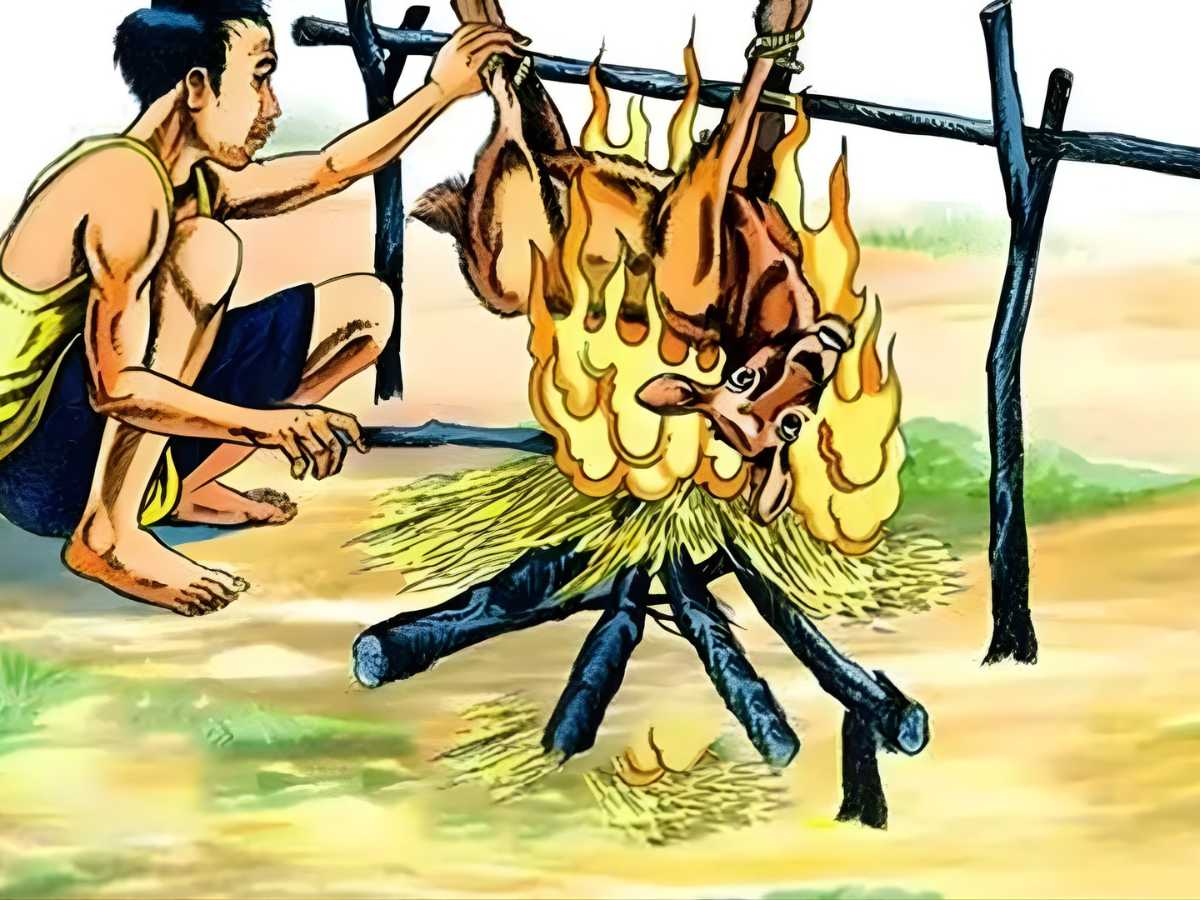
Karma is associated with an individual's intentional actions and the consequences generated by those actions. (Source: Collected)
Within the flow of cause and effect, karma does not signify punishment for a particular mistake. Instead, it represents a corresponding response to what has been created in the past through one’s actions and thoughts. The consequences, or fruits, of these causes may manifest in the present or in the future. Many traditional beliefs also hold that this continuity can extend across multiple lifetimes.
It is important to distinguish between individual karma and collective karma in order to understand the true nature of this concept. Individual karma is formed through each person’s actions, words, and thoughts, thereby influencing their experiences, personality, and circumstances. In contrast, collective karma refers to tendencies and consequences created through the shared activities of a group, community, or society, reflecting the living conditions that the collective experiences together.
Karma is formed through habits and actions repeated over time. When an action is repeatedly carried out through body, speech, and mind, spiritual traditions believe that karmic energy gradually accumulates. This accumulation is believed to generate corresponding responses in the life experiences of the person who created that karma.
1.2. Signs That Karma May Be Affecting Your Life
In everyday life, many experiences are commonly regarded as signs of karmic influence. One common manifestation is the continuous repetition of similar experiences or situations in work, relationships, or personal events. When the same type of difficulty, conflict pattern, or negative emotion repeatedly occurs, it may provide an opportunity to examine the connection between unconscious habits and the consequences currently being experienced.
In addition, prolonged negative emotions such as anxiety, fear, unexplained anger, or persistent feelings of inadequacy are often considered manifestations of deeply rooted karmic seeds within the mind. These emotional states reflect unconscious patterns that quietly influence human behavior and decisions. As a result, they can create consequences that return through the cycle of cause and effect.
Therefore, the question “How can I know my karma?” is often associated with observing recurring patterns in life and examining the connection between past actions and present circumstances. Once these connections are recognized, individuals may understand that circumstances are not necessarily an unchangeable destiny. Past attitudes and behaviors have contributed to shaping certain aspects of the reality experienced today.
1.3. Understanding Karma to Live Proactively Instead of Resigning Yourself to Circumstances
Understanding karma is not simply about looking back at events that have occurred in life. It is also a journey of transforming one’s behavior and thoughts. With greater awareness of karma, individuals can become more conscious of their choices. Even a small physical action, when carried out with mindfulness, may create more positive consequences.
Rather than passively accepting difficulties as something predetermined, an understanding of cause and effect encourages individuals to reconsider their own responses to each situation. At the same time, it promotes personal responsibility for one’s choices and encourages people to use their experiences as opportunities to learn and grow. This approach contributes to a more positive mindset based on an understanding of cause and effect, while supporting a more balanced life and a stronger sense of self-direction.
2. How to Know Your Karma Through Repetitive Life Experiences
2.1. Observe Problems That Keep Repeating
One common approach to answering the question “How can I know my karma?” is to pay attention to similar situations that repeatedly occur throughout life. When the same problems continuously appear at work, in relationships, or in family roles, this may indicate that certain psychological and behavioral patterns have not yet been fully resolved.

Observe recurring problems to recognize psychological and behavioral patterns that have not been fully resolved. (Source: Collected)
This process of recognition requires conscious observation of each situation. Identify common points and consider whether certain attitudes, reactions, or personal habits are contributing to similar outcomes. Applying this perspective not only helps individuals understand themselves more clearly but also creates opportunities to adjust their behavior.
2.2. Look Back at Your Emotional Reactions
Emotions can serve as an important gateway to recognizing deeper layers of karma within oneself. Intense states such as uncontrollable anger, prolonged fear, or lingering emotional pain may indicate that old karmic seeds continue to influence the inner world. When emotions repeatedly arise with great intensity, they may signal unresolved impressions that have not yet been transformed.
Consciously asking questions about the origins of these emotions—for example, why you fear loss or why a particular remark triggers such a strong reaction—can help reveal unconscious habits and the causes that keep you trapped in familiar patterns. By examining emotional reactions, individuals can gain a deeper understanding of the forces connecting the past with the present.
2.3. Recognizing Karma Through Close Relationships
Close relationships such as family, partners, or children often reveal karmic patterns clearly. Repeated conflicts, persistent misunderstandings, or difficult-to-explain reactions between people who are close to one another may be manifestations of deep-seated karma. This is because close relationships are often where emotions and unconscious habits are most easily triggered.
3. How to Know Your Karma Through Reflection and Spiritual Practice
3.1. Practice Meditation and Observe Your Inner World
Meditation is a practice that helps individuals focus and observe their inner world in a more direct and profound way. By taking time to quiet the mind and pay attention to movements within consciousness, individuals may recognize familiar patterns. This stillness creates an opportunity to clearly observe what is happening within.
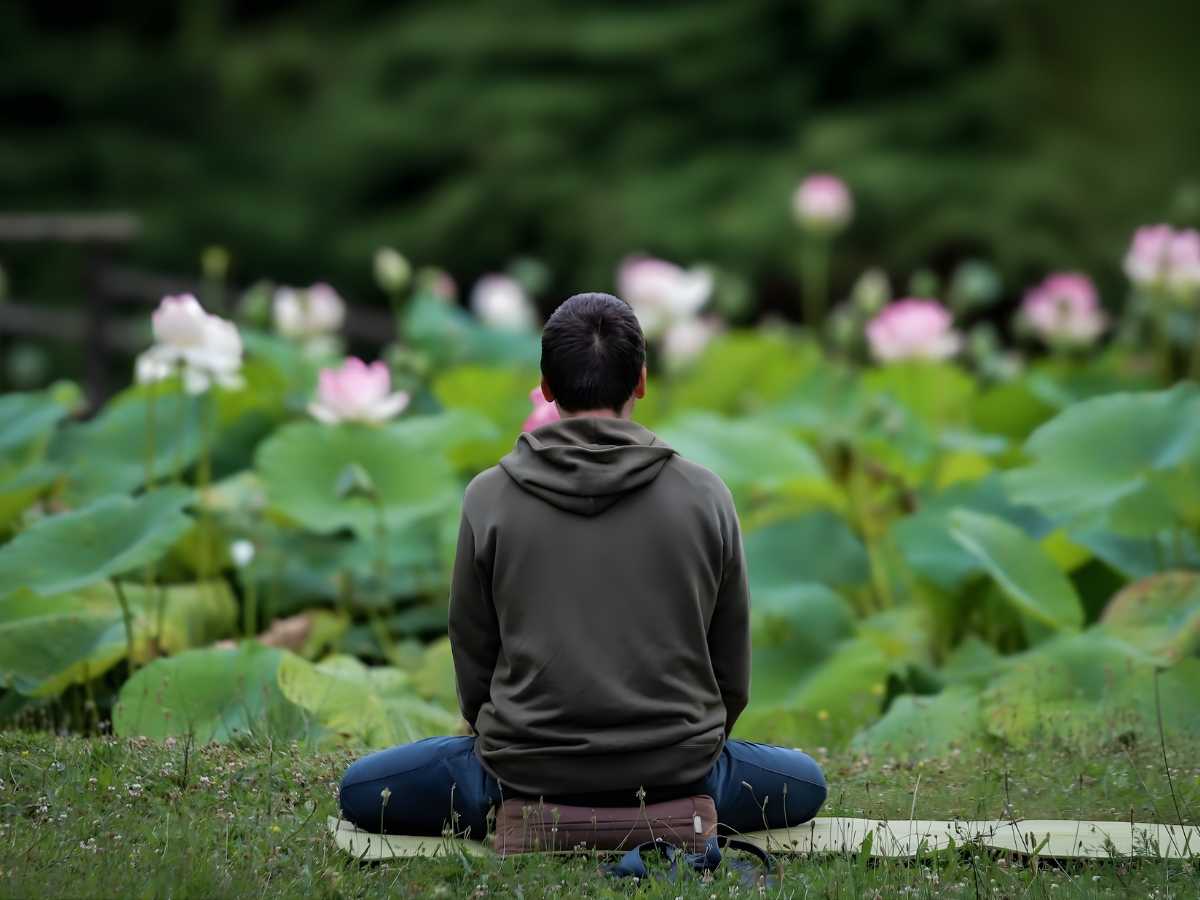
Practice meditation and pay attention to the movements of your consciousness. (Source: Collected)
Keeping a self-reflection journal or recording inner experiences during meditation can also help identify unresolved emotional themes. When familiar reactions arise in the mind, it may be an appropriate moment to observe the deeper layers of karma at work and consider pausing or adjusting the direction of one’s behavior.
3.2. Seek Out Spiritual Spaces for Inner Reflection
Visiting places of contemplation, pilgrimage sites, or spiritual destinations can provide opportunities for inner reflection. Places such as sacred mountains and temples are often regarded as spaces of stillness where people can step away from the noise of everyday life and contemplate what has happened and what is currently unfolding within their consciousness.
One destination chosen by many people seeking contemplation and tranquility is Sun World Ba Den Mountain in Tay Ninh. The site combines natural landscapes with spiritual spaces associated with Buddhist culture, creating an environment where visitors can pause and reflect on themselves in a peaceful setting.
👉 BOOK YOUR TICKET TO SUN WORLD BA DEN MOUNTAIN NOW!
3.3. Learn to Take Responsibility for Your Present Choices
Understanding that karma is not limited to things that happened in the past, but is also formed every day, is essential. Even small actions such as speaking kindly, living honestly, or cultivating gratitude create a direct connection with the process of nurturing positive and wholesome energy.
This awareness can help release the feeling of being powerless before circumstances and encourage a more proactive attitude toward present choices. From this foundation, practitioners can gradually adjust the way they live and interact with others, creating more positive effects for themselves and those around them.
“How can I know my karma?” is not a question intended to encourage self-blame or cultivate fear. Rather, it is an invitation to understand and love oneself more deeply. When we have the courage to face what is happening in our lives, understanding karma becomes the starting point for a more mindful and peaceful life, as well as for proactively redirecting our own journey.
Stepping away from the hurried flow of everyday life, the summit of Ba Den Mountain opens into a tranquil realm where only the sound of mountain winds seems to converse with ancient cliffs. The atmosphere here evokes a secluded sanctuary, where every step through the cool mist allows visitors to experience a profound sense of separation from the noise and dust of the worldly realm.
The silence is not merely the absence of sound, but a state of natural serenity, as the high mountains embrace the traveler’s soul in profound peace. Standing amid drifting clouds and watching sunlight filter through the mist onto the waters of Dau Tieng Lake, one may suddenly feel every worry becoming lighter beneath the vastness of the sky and earth.
This peaceful atmosphere prepares the mind for a gentle and unhurried experience, guiding visitors toward magnificent spiritual symbols situated within the heritage landscape. The burdens of everyday life seem to dissolve, making room for emotions associated with inner purification and renewal.
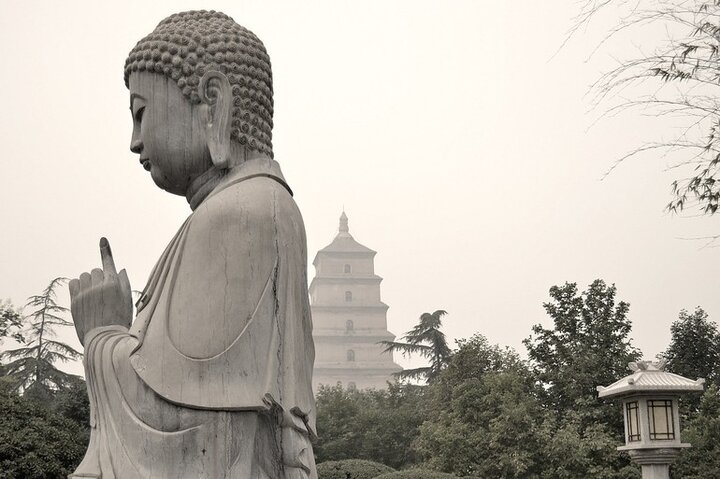
Beneath the shade of the mountain clouds, this stillness takes physical form through the majestic Câu Na Hàm Buddha statue. As the second Buddha of the Fortunate Aeon, the statue stands like a guardian of time, its compassionate expression and penetrating gaze overlooking the inner depths of sentient beings from the high mountain summit.
Every intricate detail carved into the lotus pedestal and every graceful curve of the Buddha’s robes serves as a quiet reminder of patience and boundless compassion. Standing before the statue, the heart seems to become lighter, finding a deeply reassuring spiritual anchor.
Amid the scent of incense mingling with the cool breath of the sacred mountain, standing at the Buddha’s feet, travelers may feel their hearts soften as the distance between the present world and a realm of purity seems to dissolve in a sense of peace. The presence of the statue becomes a bridge between the determination to conquer the geographical summit and the aspiration to return to inner balance.
Continuing this contemplative emotional journey, a small path covered with white gravel leads visitors into the pure atmosphere of Uu Dam Meditation Garden. Inspired by the legendary Udumbara flower, the garden is an exquisite arrangement of plants and small streams winding through moss-covered rocks.
Each precious cluster of flowers not only releases a gentle fragrance but also seems to whisper the Buddhist philosophy of impermanence, blending with the sound of temple bells to create a meditative symphony. Uu Dam Meditation Garden is more than a place to pause and admire the scenery; it is also a space where each soul can nurture the seeds of goodness before leaving the mountain. It becomes the final quiet note, completing a journey of returning to oneself amid the endless clouds and mist of the sacred mountain.