1. The Origins of Phowa Transference of Consciousness in Tantric Buddhism
1.1. Phowa in the Vajrayana Buddhist System
Phowa transference of consciousness in Tantric Buddhism refers to the “transference of consciousness.” It is a spiritual practice that directs the stream of consciousness beyond the physical body at the time of death, with the aspiration of reaching a pure realm or merging with an enlightened state. Within the Vajrayana tradition, Phowa is considered a profound practice that directly addresses the fundamental issue of life and death.
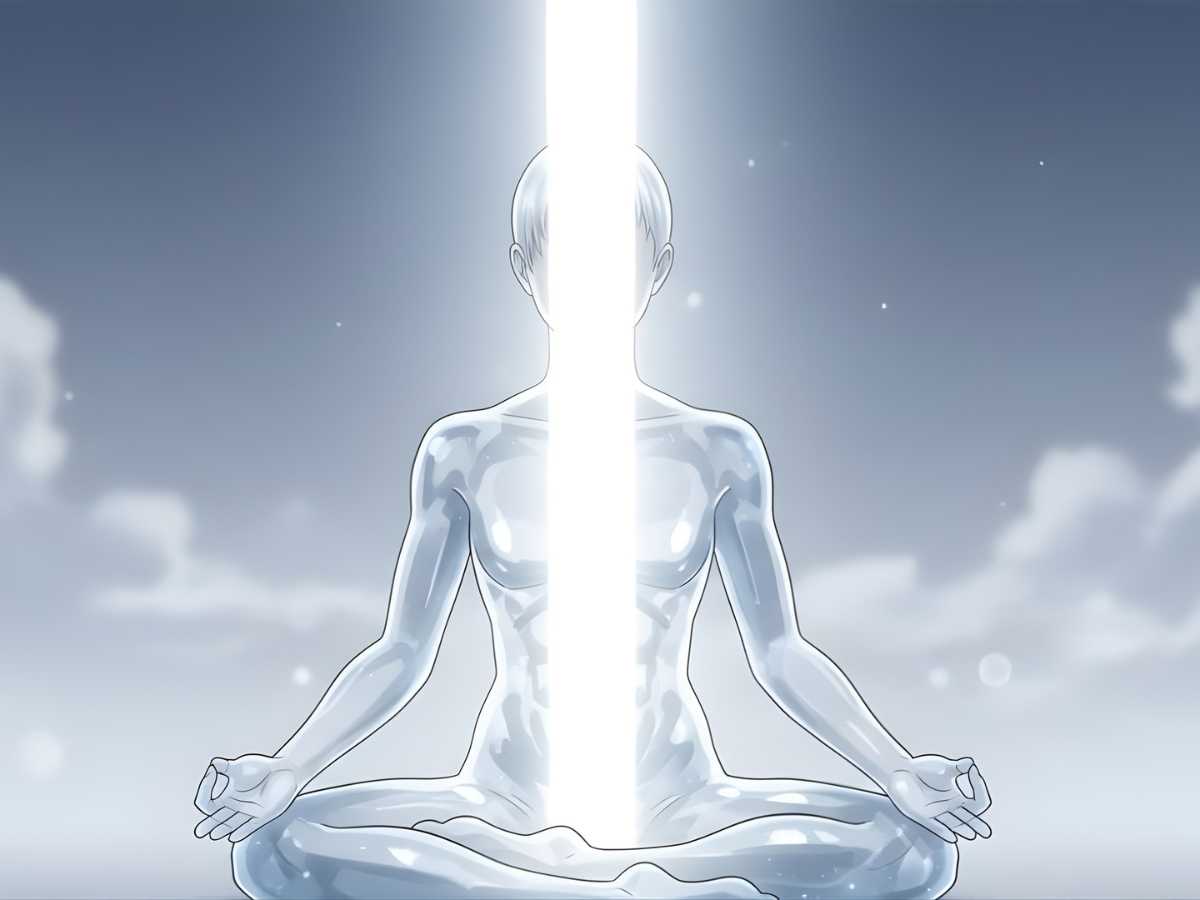
Phowa is often practiced alongside meditation, deity visualization rituals, and mantra recitation. (Source: Collected)
According to Buddhist teachings, consciousness is not material in nature but continues through the processes of life, death, and rebirth. Phowa is regarded as a way of directing this stream of consciousness toward a more positive destination when the practitioner leaves the physical body. Rather than referring to physical movement, “transference” here emphasizes the process of letting go of attachment and releasing the mind from its dependence on the physical body in order to move closer to a state of purity.
Within Vajrayana Buddhism, Phowa is often practiced alongside meditation, deity visualization rituals, and mantra recitation. The purpose is to awaken spiritual energy and guide consciousness upward through the crown of the head at the moment of death. This entire process reflects the practitioner’s active approach to the reality of birth and death, rather than being passively carried away by it.
1.2. The Development and Transmission of Phowa in Tibet
Phowa transference of consciousness in Tantric Buddhism was transmitted to Tibet as part of the broader development of Tantric Buddhist teachings between the 8th and 11th centuries. Masters such as Marpa and Milarepa of the Kagyu tradition introduced Vajrayana methods into the Tibetan learning environment. Over time, Phowa was systematized within traditions such as Kagyu and Nyingma.
These traditions place strong emphasis on receiving spiritual practices from an authorized teacher within an established lineage. Empowerment rituals and disciplined training are regarded as important foundations. As a result, Phowa became more than a teaching preserved in texts; it developed into a living practice system that helped practitioners cultivate a stable state of mind when facing the moment of death within the Vajrayana path.
1.3. The Role of Phowa in Near-Death Practice
Phowa is frequently discussed in the context of dying because it is directly associated with the state of consciousness around the time when breathing ceases and the process of leaving the physical body begins. In Tibetan Buddhism, the intermediate state, or bardo, refers to a transitional phase between death and rebirth. This period is traditionally understood as involving various challenges, as practitioners encounter complex mental experiences and karmic conditions.
The practice of Phowa is intended to help consciousness pass through the bardo in a more directed manner. The practice aims toward a favorable rebirth or progression toward a pure realm. Through prior preparation, practitioners may cultivate greater awareness when facing this important transitional moment.
2. The Meaning and Spiritual Value of Phowa Transference of Consciousness in Tantric Buddhism
2.1. The Tantric Buddhist View of Life and Death
The Tantric Buddhist understanding of death does not regard it simply as the end of existence, but as a process of transformation involving consciousness. Death is viewed as a moment of transition, when attachment to the physical body gradually needs to be released. Phowa helps practitioners prepare their minds to let go of these attachments and direct their consciousness toward a pure realm after death.
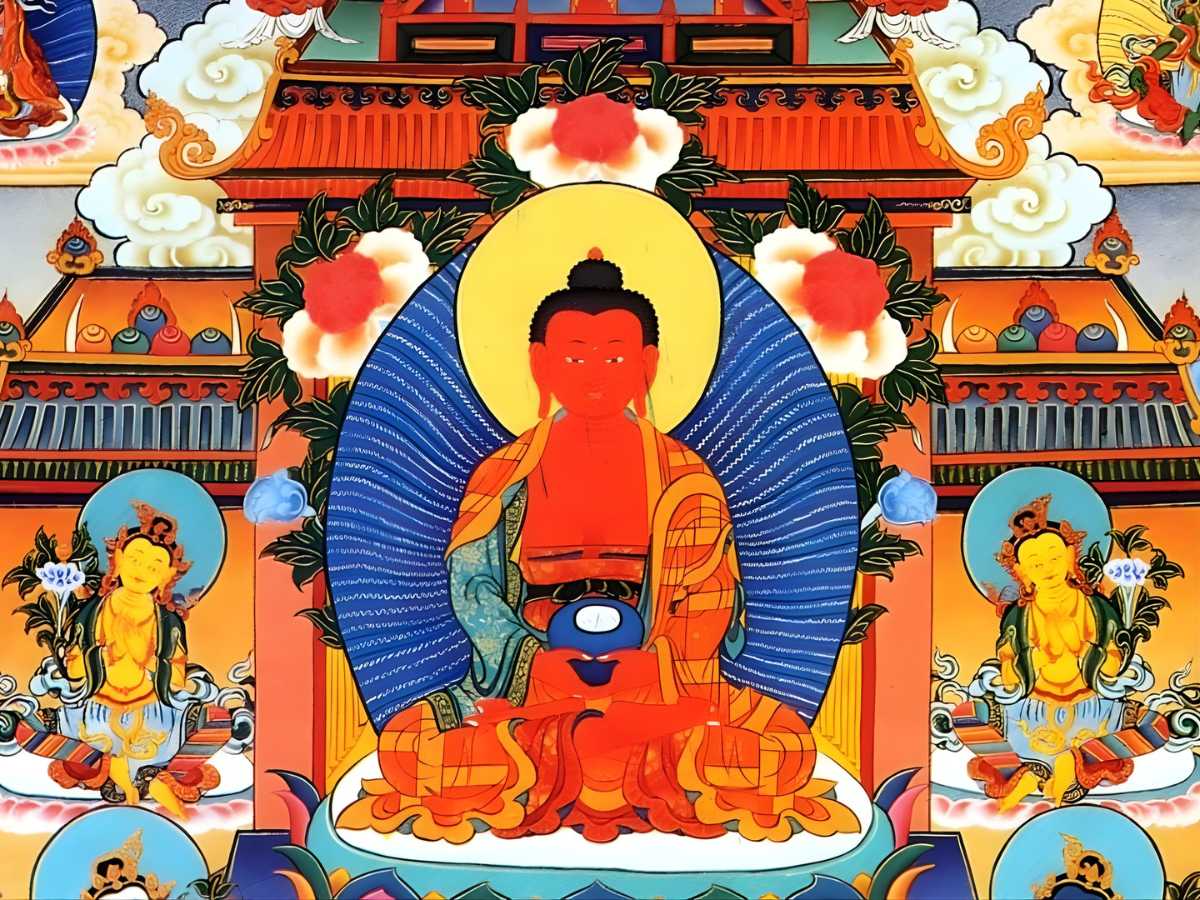
The Buddhist view of life and death brings a sense of calm and serenity according to Tantric teachings. (Source: Collected)
Within Tantric Buddhist teachings, clearly recognizing the impermanent nature of body and mind can help practitioners reduce their fear of death. At the same time, this awareness can nurture inner mindfulness. As a practice associated with the dying process, Phowa provides a spiritual method for facing life and death with calmness while reducing fearful reactions and excessive attachment to the material world.
2.2. Symbolism and Energy in the Phowa Ritual
The symbolic elements of the Phowa ritual are diverse and carry profound meanings. Visualizing a stream of light or pure energy moving from the heart chakra through the central channel and eventually emerging from the crown of the head represents the aspiration to transcend the cycle of samsara. Practitioners often direct their minds toward a deity, Buddha, or Bodhisattva such as Amitabha Buddha, representing the pure state with which they aspire to unite.
The energy awakened through visualization helps practitioners maintain mental stability and concentration during the final moments of life. Mantras recited together with visualization provide spiritual and psychological support. Through this process, consciousness may become less attached to the physical body and reduce negative emotions associated with the fear of death.
2.3. Phowa as a Practice for Preparing for Rebirth
Phowa carries not only spiritual significance but also humanistic value by helping practitioners face death with awareness and inner peace. Preparing for the final moments of life encourages practitioners to release attachments while cultivating compassion and a sense of responsibility toward what lies ahead. In this way, death can be understood as part of the process of existence rather than something that must be avoided.
In Tibetan Buddhism, rebirth is not simply a new beginning after death but also an opportunity to continue the path of spiritual practice. Through Phowa, practitioners direct their minds toward pure realms that are traditionally understood to provide favorable conditions for studying and practicing the Dharma. This direction is intended to support continuity on the path toward enlightenment rather than an unprepared rebirth.
3. Conditions and Methods for Practicing Phowa in the Vajrayana Tradition
3.1. The Role of the Spiritual Teacher in Transmitting Phowa
Within Vajrayana Buddhism, Phowa is not generally regarded as a practice to be learned casually or independently. Practitioners are traditionally expected to receive the practice from a qualified teacher belonging to an authentic lineage. Direct guidance helps practitioners understand the meaning and method of the practice correctly.
The transmission process may involve permission, initiation, or empowerment. This establishes a spiritual connection between the teacher and practitioner. The practitioner can then receive specific instructions for meditation and visualization. Such guidance is intended to make the practice of Phowa more stable and properly understood.
3.2. Visualization Steps in the Practice of Consciousness Transference
Phowa practice commonly begins by focusing the mind at the heart chakra. The practitioner visualizes a stream of pure light appearing there. The light then moves upward through the central channel of the body. Finally, the energy rises toward the crown of the head, symbolizing liberation.
Many traditions include visualization of Amitabha Buddha. The sound of mantra recitation helps maintain concentration. Through this process, practitioners cultivate a stable state of awareness.
3.3. The Significance of Preparing for Phowa During Life
Phowa is not practiced exclusively at the moment of approaching death. Practitioners traditionally train in the practice while still alive. This preparation allows them to become familiar with the process of transforming consciousness. As a result, they may be better prepared to remain calm when confronting death.
The practice also serves as a reminder of the impermanent nature of life. By recognizing impermanence, practitioners may cultivate greater mindfulness in everyday life. They place greater emphasis on developing wholesome intentions and positive actions. This is traditionally regarded as a foundation for a favorable journey into rebirth.
Phowa transference of consciousness in Tantric Buddhism is not merely a ritual associated with the final moments of life. It is also a spiritual practice that reminds people to live with awareness each day. By recognizing the impermanent nature of existence, people may learn to appreciate the present moment and what they currently have. At the same time, they cultivate wholesome qualities and prepare for the continuation of their journey with calmness and clarity.
At the horizon of Southeast Vietnam, Ba Den Mountain emerges like a giant green mass rising prominently above the surrounding plains. For generations, it has been more than a familiar hiking destination; it is also a place where nature and spiritual traditions intersect. Roads winding along the mountain slopes take visitors through forests, ancient temples, and expansive viewpoints.
As visitors climb higher, the mountain breeze becomes increasingly cool and refreshing, opening up vast and unobstructed views stretching toward the horizon. This transformation turns the journey to the summit into a dual experience: an exploration of new and fascinating landscapes as well as a refreshing retreat amid majestic nature.
After exploring the mountain, many visitors continue to the Câu Na Hàm Buddha Statue, located within a nearby spiritual complex. The structure makes an impression with its imposing scale and serene appearance. The statue overlooks a vast open space, while a spacious courtyard in front provides a quiet place where pilgrims often pause for a few moments.
The atmosphere here is markedly different from the lively route up the mountain, with a slower and more tranquil rhythm. This change in pace adds a deeper dimension to the journey, creating a gentle transition before visitors continue to explore the peaceful gardens nearby.
Leaving the statue area behind, a small path leads visitors to Uu Dam Garden, a place with a gentle and leisurely atmosphere. The garden features winding pathways surrounded by greenery, small ponds, and carefully arranged stone landscapes. After climbing the mountain and contemplating the statue, visitors naturally slow their pace here.
Visitors can stroll through the garden, breathe in the fresh air, and watch sunlight filtering through the foliage. No extensive activities are necessary; the tranquility of the garden itself is enough to bring the journey to a close with a sense of balance and pleasant relaxation for visitors.