1. The Meaning of the Dharma Wheel in Buddhism
1.1. The Origins of the Dharma Wheel Symbol
In Buddhism, the term Dharma Wheel originates from the Sanskrit word Dharmachakra. Dharma or Dhamma refers to truth and the teachings of the Buddha, while Chakra means a wheel in motion. This image is associated with the transmission of Buddhist teachings for more than two thousand years and has become one of the central symbols of Buddhism.
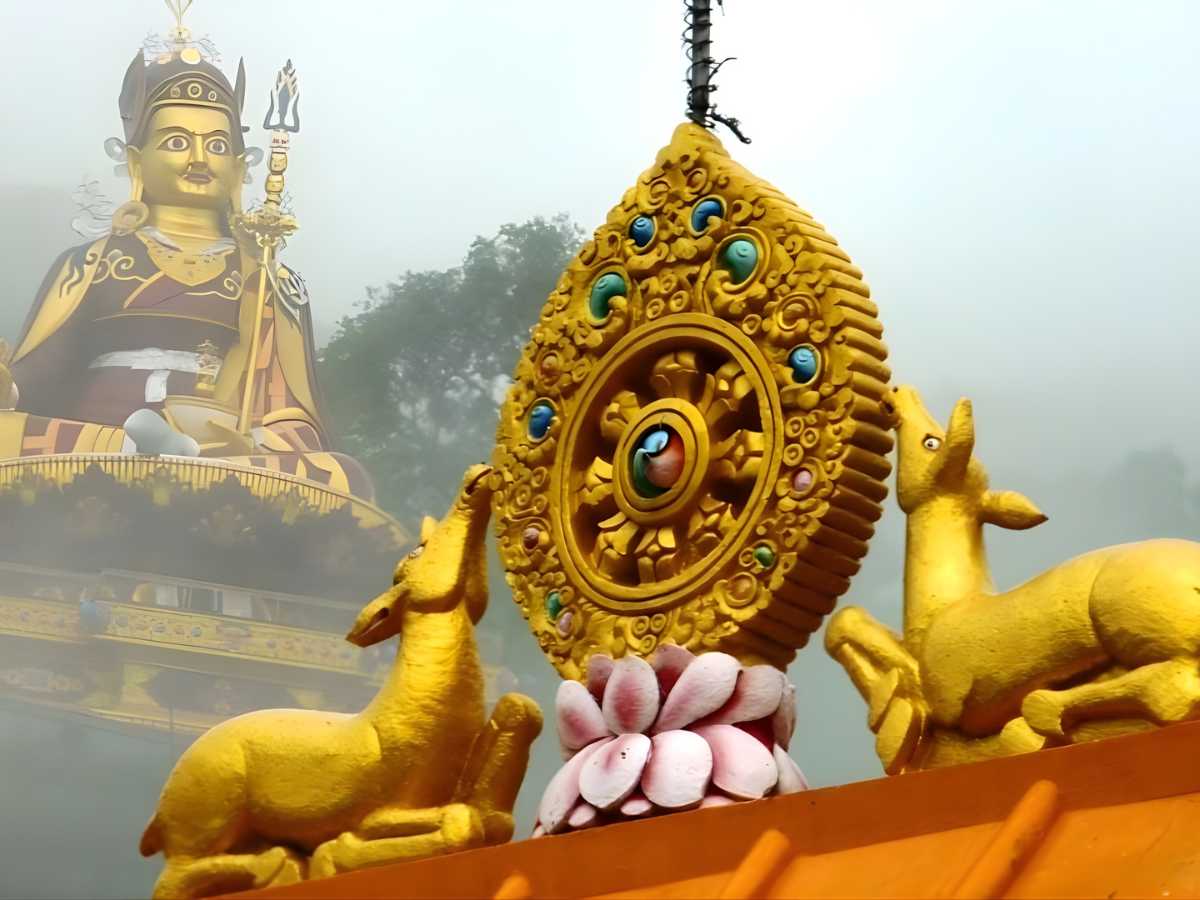
The origins of the Dharma Wheel symbol can be traced back to ancient Indian culture. (Soxurce: Collected)
The Dharma Wheel existed in ancient Indian culture before becoming closely associated with Buddhism. According to Buddhist tradition, the Buddha's first sermon at Deer Park is regarded as the moment when he “set the Dharma Wheel in motion.” This event opened the path toward liberation based on the Four Noble Truths and the Noble Eightfold Path.
The wheel symbol is not exclusive to Buddhism but has pre-Buddhist origins. Once adopted into Buddhism, the image became closely connected with the Buddha's teachings and ideals of spiritual practice. From that point onward, the wheel became a symbol of inner transformation and the development of awareness.
1.2. The Structure and Symbolism of the Dharma Wheel
The meaning of the Dharma Wheel is commonly represented through three main components: the central hub, the spokes, and the outer rim. In many versions, the wheel has eight spokes representing different aspects of Buddhist practice. Each component carries a profound doctrinal meaning.
The outer circular rim represents completeness and continuity, without a definite beginning or end. This image reflects the continuous and enduring nature of the Dharma. The central hub symbolizes inner stability and mental concentration, allowing the wheel to turn steadily.
In its most common form, the wheel has eight spokes representing the Noble Eightfold Path: Right View, Right Intention, Right Speech, and Right Action. The remaining elements are Right Livelihood, Right Effort, Right Mindfulness, and Right Concentration. In this way, the Dharma Wheel is not merely a symbolic motif but also serves as a guide for spiritual practice in daily life.
1.3. The Meaning of the Dharma Wheel at Different Levels of Understanding
From a historical perspective, the meaning of the Dharma Wheel is associated with the moment when the Buddha delivered his first sermon. This event marked the beginning of the transmission of teachings concerning suffering, its causes, and the path toward the cessation of suffering. The beginning of the wheel's movement marked an important turning point in Buddhist history.
From a doctrinal perspective, the wheel represents the continuous movement of the true Dharma in everyday life. Buddhist teachings are not merely abstract concepts but involve a process of practice based on the Noble Eightfold Path. This movement reflects the spirit of persistent practice that helps people overcome ignorance.
From a practical perspective, the Dharma Wheel reminds practitioners of the Middle Way in everyday life. Following the Noble Eightfold Path helps cultivate wisdom and compassion. The movement of the wheel also evokes the concepts of impermanence and dependent origination, reminding practitioners to remain mindful amid constant change.
2. The Spiritual and Cultural Values of the Dharma Wheel
2.1. The Meaning of the Dharma Wheel in Spiritual Life
In Buddhist communities and temple spaces, the Dharma Wheel is often placed in a prominent and respectful position. The symbol reminds people to direct their minds toward the Dharma and the path of spiritual practice. At the same time, the image can inspire meditation and contemplation in peaceful surroundings.
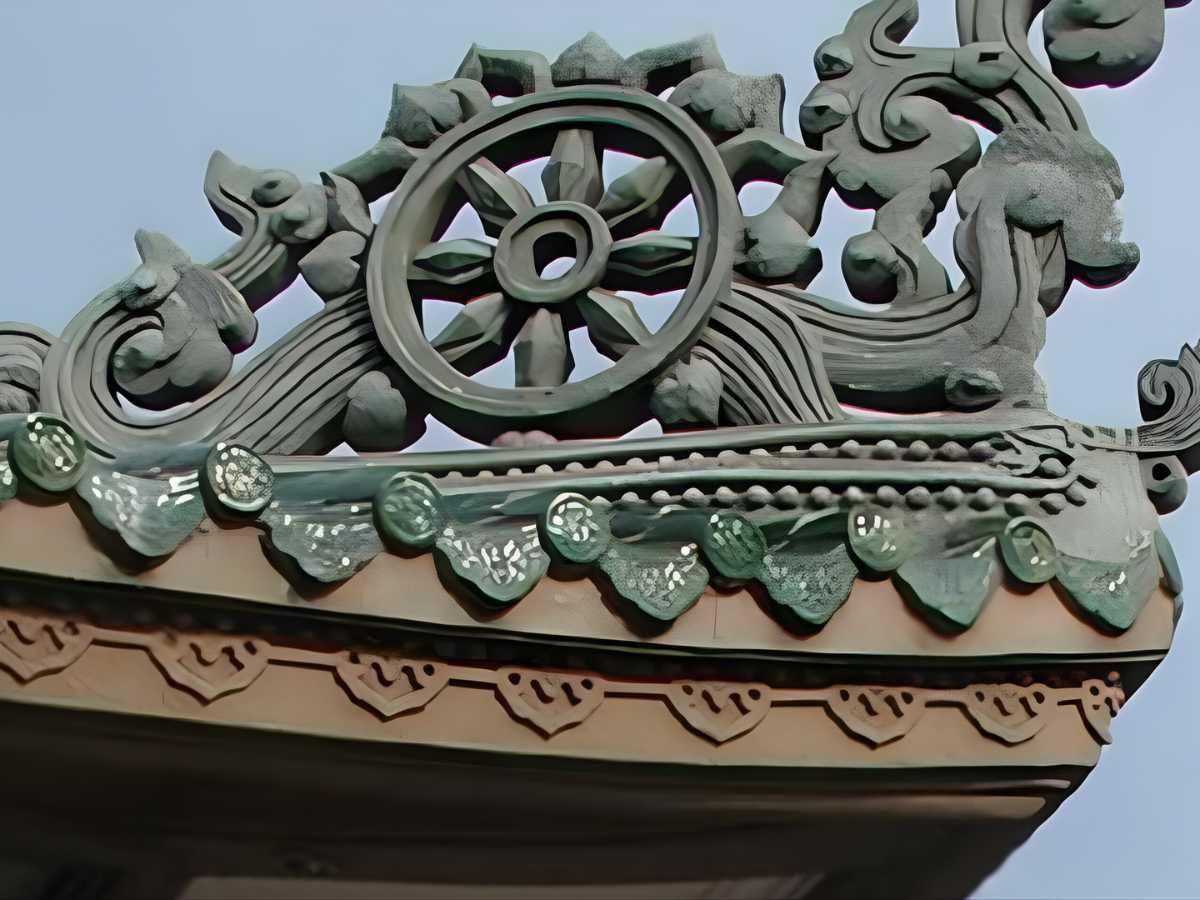
The meaning of the Dharma Wheel serves as a reminder of the journey of nurturing the inner self and can contribute to reducing stress. (Source: Collected)
The Dharma Wheel carries not only aesthetic value but also psychological significance. When contemplating this symbol, many people may experience a sense of calm and mental stillness. The image serves as a reminder of the journey of nurturing the inner self, helping reduce stress and cultivate compassion.
At spiritual tourism destinations such as Sun World Ba Den Mountain in Tay Ninh, Buddhist architecture is designed in harmony with the surrounding mountain landscape. The Dharma Wheel appears as a distinctive element within the overall space. Its presence allows visitors to explore cultural values while also reflecting on the significance of Buddhist teachings.
👉 BOOK YOUR TICKET TO SUN WORLD BA DEN MOUNTAIN NOW!
2.2. The Dharma Wheel in Buddhist Architecture and Art
The Dharma Wheel symbol commonly appears in Buddhist temple architecture, reliefs, and thangka paintings. The image can also be found on various ritual objects used in spiritual spaces. In sculptural art, the wheel is often incorporated with traditional decorative motifs.
Many artworks combine the wheel with sacred animals or lotus flowers to create greater symbolic depth. Such combinations preserve the doctrinal meaning while also creating an aesthetic focal point. As a result, the Dharma Wheel has become one of the artistic motifs with significant cultural value.
2.3. The Dharma Wheel Symbol in Contemporary Culture
The Dharma Wheel symbol also appears in various modern events, organizations, and cultural emblems. On the national flag of India, the 24-spoked wheel is known as the Ashoka Chakra. This symbol represents values associated with law, morality, progress, and justice in social life.
Its appearance on the national flag demonstrates the deep cultural significance of the wheel throughout Indian history. From religious contexts, the symbol has entered community life with broader meanings. This reflects the enduring influence of the wheel across different historical periods.
3. The Dharma Wheel Symbol in Contemporary Buddhist Life
3.1. The Dharma Wheel in Buddhist Temple Spaces
In many Buddhist temples, the Dharma Wheel is placed in prominent locations, such as in front of the main sanctuary or on the temple roof. The image recalls the Buddha's turning of the Dharma Wheel at Deer Park. The symbol helps visitors remember the Buddhist path of spiritual practice.
Beyond its religious significance, the Dharma Wheel also serves as a reminder of the journey of learning and understanding the Dharma. When contemplating the symbol, many people turn their attention toward stillness and reflection. The continuously rotating wheel evokes the ongoing movement of truth and the Dharma.
3.2. The Dharma Wheel in Buddhist Art and Cultural Symbolism
The Dharma Wheel symbol is widely represented in Buddhist art, including reliefs, paintings, and decorative sculptures. Many religious structures use the image as a symbolic decorative element. In sculpture, the wheel is often combined with lotus flowers or deer imagery.
Within Buddhist culture, the Dharma Wheel is also used in various religious symbols and spiritual events. The image represents wisdom and the path toward enlightenment. Its presence in art helps make Buddhist teachings more accessible to the wider community.
3.3. The Meaning of the Dharma Wheel in Modern Spiritual Life
In modern life, the Dharma Wheel continues to serve as a reminder of mindfulness. The image of the steadily turning wheel symbolizes the process of learning and inner transformation. Buddhists may view the symbol as a source of motivation to practice the Noble Eightfold Path.
The Dharma Wheel can also help many people find a sense of peace amid the fast pace of modern life. Reflecting on its meaning can encourage individuals to return to inner stillness. Values such as compassion and wisdom are continually recalled through this familiar symbol.
The meaning of the Dharma Wheel extends beyond its role as a religious symbol, also evoking the journey toward wisdom and compassion. From its historical origins to its significance in contemporary life, the image continues to serve as a reminder of truth and mindfulness. When properly understood and practiced, its teachings can inspire individuals to continue the movement of the true Dharma on their journey of personal development and the cultivation of positive values.
During many journeys of exploration through southeastern Vietnam, Ba Den Mountain is often regarded as an inspiring starting point. The mountain rises prominently above the plains of Tay Ninh, creating a landscape that is both majestic and distinctive. As visitors approach, they begin to notice a clear transformation in the surroundings, with cool breezes, forest vegetation, and winding roads leading toward the mountain slopes.
Each stretch of the journey reveals a new perspective of the landscape below. At times, visitors can see vast fields stretching across the horizon; at other moments, clouds drift at eye level. After experiencing the expansive mountain scenery, the journey often continues toward cultural and spiritual attractions located nearby.
Next, visitors often explore the Câu Na Hàm Buddha Statue, a structure of local religious significance. In contrast to the vastness of Ba Den Mountain, the area surrounding the statue offers a more solemn and peaceful atmosphere. The statue stands within an open setting, creating a harmonious composition between the architecture and the surrounding landscape.
Standing before the structure, many visitors take a few moments to observe the sculptural details and experience the tranquil atmosphere. From this solemn setting, the journey often transitions toward a gentler and more relaxing destination.
The next stop is often Uu Dam Garden, a peaceful garden offering a tranquil atmosphere along the exploration journey. After experiencing the grandeur of the mountain and the solemnity of the spiritual structures, the greenery here creates a distinctly relaxing atmosphere.
Small pathways winding through clusters of trees, landscaped features, and water elements create a harmonious and pleasant setting. Visitors can take a leisurely walk, observe nature, and enjoy a rare sense of quietness. This gentle atmosphere makes the garden a soothing conclusion to a journey through Tay Ninh.