1. Origins and Meaning of Tibetan Tonglen Practice
1.1. Tonglen in the Tibetan Buddhist Tradition
Tonglen is a traditional meditation practice in Tibetan Buddhism, particularly within Vajrayana Buddhism. It belongs to the lojong system of mind training, which aims to train the mind and cultivate bodhicitta. In Tibetan, Tonglen means “giving and receiving” and is practiced by breathing in suffering and breathing out love. At the core of this practice is the visualization of receiving the suffering of sentient beings and offering peace and well-being in return.

The core of the Tonglen practice is to visualize receiving the suffering of sentient beings and offering peace and well-being in return. (Source: Collected)
Breathing in pain is visualized as receiving the suffering of others, while breathing out represents offering peace and happiness from within oneself. This is not a material exchange but rather a visualization process intended to cultivate an open heart and a spirit of compassion and sharing. Through regular practice, practitioners gradually cultivate bodhicitta and develop a greater capacity for empathy toward others.
Tonglen is not simply a meditation exercise for achieving calmness; it aims at a deeper transformation of the inner self. The practice encourages practitioners to face suffering as a natural part of life rather than avoiding or denying it. Through this process, compassion can be steadily cultivated and gradually extended to all sentient beings.
1.2. The Philosophy of Transforming Suffering into Compassion
The philosophical foundation of Tibetan Tonglen practice is rooted in the principles of non-self and interdependence, two important concepts in Tibetan Buddhism. From this perspective, recognizing and facing suffering rather than avoiding it can help build inner strength, as we learn to acknowledge and accept our own negative emotions as well as those of others. Instead of resisting, practitioners choose to observe and transform these experiences, thereby developing a deeper understanding.
When we recognize that all sentient beings wish to reduce suffering and seek happiness, compassion can naturally and sincerely expand. From the perspective of modern psychology, accepting negative emotions rather than avoiding them may support emotional regulation. Some recent studies suggest that meditation practices such as Tonglen may contribute to enhancing emotional responsiveness.
1.3. The Meaning of Tibetan Tonglen Practice in Modern Life
In modern life, characterized by work-related pressures and complex emotional experiences, an increasing number of people are turning to meditation practices as a way to reduce stress. Tonglen is chosen by many because it can transform the way suffering is perceived. Rather than something that must be avoided, suffering can become an opportunity to cultivate compassion. By visualizing pain while breathing in, practitioners gradually develop a greater sense of connection with the wider community.
In their search for peaceful natural spaces, many visitors come to Sun World Ba Den Mountain to seek spiritual experiences and inner balance. Practicing Tonglen amid nature can create a sense of relaxation and provide an opportunity for emotions to naturally settle. The tranquil surroundings can help nurture compassion and deepen awareness of interconnectedness in everyday life.
👉 BOOK YOUR TICKET TO SUN WORLD BA DEN MOUNTAIN NOW!
2. How to Practice Tibetan Tonglen Correctly
2.1. Preparing the Space and Mindset Before Practicing Tibetan Tonglen
Before practicing Tonglen, choosing a quiet and well-ventilated space can help minimize distractions and maintain mental stability. This preparation creates favorable conditions for concentration and allows you to process emotions more naturally. The space can be a spacious corner of a room, a place close to nature, or any location that provides a sense of comfort.
2.2. Basic Steps for Practicing Tibetan Tonglen
To practice Tibetan Tonglen at a basic level, practitioners begin by recognizing their own suffering or the suffering of another person. As they breathe in, they visualize receiving that pain as a quiet stream of smoke entering the body, symbolizing a willingness to face suffering rather than avoid it. As they breathe out, they imagine a light representing love and peace spreading outward, carrying comfort and reassurance, while maintaining a steady breathing rhythm and focused attention.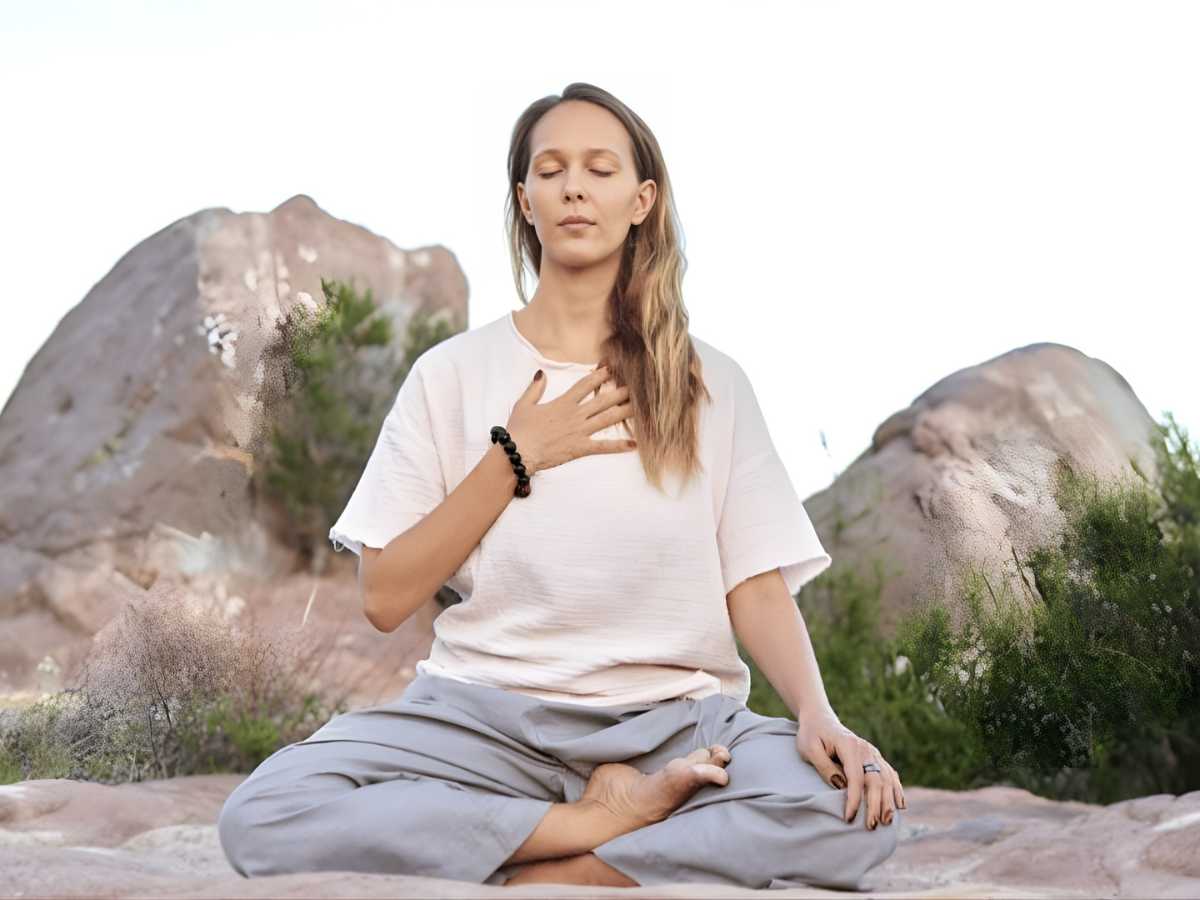
Basic steps for practicing Tibetan Tonglen. (Source: Collected)
2.3. Expanding Tibetan Tonglen Practice to the Community
Once you become familiar with practicing Tonglen for yourself, you can gradually expand the scope of your visualization. Start with loved ones and then gradually extend the practice to strangers encountered in everyday life. At a later stage, you can practice with people who have caused you pain, thereby learning to release resentment and cultivate greater understanding.
At the community level, when many individuals cultivate compassion through Tonglen, this can contribute to creating a shared foundation of compassion. Transformations in inner attitudes can influence relationships with those around us. As a result, conflicts may be eased and mutual understanding among community members can gradually deepen.
2.4. Common Mistakes When Practicing Tibetan Tonglen
Common mistakes when practicing Tonglen include forcing emotions or becoming anxious when confronting painful experiences. Putting excessive pressure on oneself to feel deeply before being psychologically prepared may lead to an adverse response. Practitioners should not completely identify themselves with the suffering they visualize breathing in, because this is simply a visualization used to acknowledge and receive emotions, rather than an actual merging with that suffering.
3. Applying Tibetan Tonglen Practice in Daily Life
3.1. Practicing Tibetan Tonglen for Inner Healing
Tibetan Tonglen practice can help practitioners recognize and accept negative emotions instead of trying to avoid them. By breathing in pain and breathing out peace, the mind gradually learns to face suffering in a gentler way. This process creates an opportunity for each person to better understand their own emotions. As a result, the inner self can gradually heal and become more stable.
During the practice, patience plays an important role in maintaining long-term benefits. Practitioners do not need to achieve immediate results; they simply need to maintain a steady breathing rhythm and observe their emotions. Maintaining a regular meditation habit can gradually bring greater stillness to the mind. Over time, Tonglen can become a method for cultivating balance in spiritual and emotional life.
3.2. Cultivating Compassion Through Tibetan Tonglen Practice
One of the core values of Tibetan Tonglen practice is its ability to expand compassion. When practitioners visualize receiving the suffering of others, they gradually develop a deeper sense of empathy. This helps them understand that everyone experiences their own difficulties in life. As a result, their attitude toward life can become gentler and more tolerant.
Tonglen can also transform the way people perceive their relationships with others. Instead of reacting with anger or judgment, practitioners learn to observe and seek understanding. This transformation can help reduce tension in relationships. At the same time, it can contribute to creating a more harmonious and compassionate living environment.
3.3. Practicing Tibetan Tonglen as a Meditation Habit
For Tonglen to provide lasting benefits, regular daily practice is important. Spending just a few minutes focusing on the breath and engaging in visualization can help calm and stabilize the mind. Over time, this method can become part of an individual's personal meditation routine. In this way, practitioners can maintain greater calmness when facing the changes and challenges of life.
The practice does not require complicated rituals or special conditions. What matters most is mindfulness and an open attitude during the practice. When practiced consistently, Tonglen can contribute to cultivating peace and compassion in everyday life.
Tibetan Tonglen practice does not require special conditions or complicated rituals. It begins with the breath and a willingness to face suffering. As we breathe in what remains unresolved and breathe out love, the mind gradually becomes more open and balanced. From there, each day can become a journey of cultivating compassion and caring for our own spiritual well-being as well as that of those around us.
During their journey through Southeast Vietnam, many visitors begin their trip at Ba Den Mountain, the prominent mountain rising above the vast plains of Tay Ninh. From a distance, the dark mountain mass rises against the sky, creating a distinctive horizon that is difficult to find elsewhere. As visitors approach, the landscape gradually changes, with patches of green forest, winding roads, and cool breezes flowing down from the mountain slopes.
Every stretch of the journey offers a new perspective. At times, expansive fields stretch out below, while at others, layers of clouds seem to float almost at eye level. This constantly changing scenery makes the journey to explore the mountain more engaging. Beyond its natural beauty, the area is also associated with a variety of sightseeing and pilgrimage activities.
For these reasons, Ba Den Mountain is often regarded as an ideal starting point for exploring the fascinating land of Tay Ninh. Upon arriving here, travelers can not only admire the majestic scenery but also experience the distinctive cultural and spiritual heritage of this sacred land.
After exploring the area's highlights, many visitors choose to stop at the Câu Na Hàm Buddha Statue, a structure deeply connected with local religious traditions. The area surrounding the statue is relatively spacious, creating a solemn yet welcoming atmosphere.
Standing before the statue, visitors often naturally slow down, taking a moment to observe its details and absorb the stillness that surrounds them. This quiet atmosphere brings a sense of balance to the journey, like a necessary pause amid a day of exploration.
Leaving this contemplative space behind, visitors can continue to Uu Dam Garden, a place that offers a gentler and more intimate atmosphere. The garden features winding pathways surrounded by greenery, landscaped features, and water elements, creating a harmonious and pleasant setting.
Here, simply taking a leisurely walk or pausing beneath the shade of the trees can help visitors experience a strong sense of relaxation. As a result, Uu Dam Garden often serves as the final stop of the journey, bringing the visit to a close with a feeling of peace and tranquility.