1. Overview of the mountain spiritual tourism trend
In the context of increasingly developing experiential tourism and wellness tourism, the mountain spiritual tourism trend is becoming a choice for many tourists. Instead of just seeking resort trips or entertainment, many people desire journeys that bring spiritual balance, help relax and regenerate energy after the pressures of modern life. Sacred mountains with majestic landscapes, fresh air, and serene spaces are therefore receiving increasing attention.
One of the reasons why the mountain spiritual tourism trend is developing strongly is the harmonious combination of nature and cultural and religious values. On the journey up the mountain, tourists not only visit famous temples, pagodas, or spiritual sites but also have the opportunity to admire the natural scenery from above, chase clouds, welcome the sunrise, or enjoy the cool air. It is this fusion of tourism experience and spiritual life that creates a special attraction for this type of tourism.
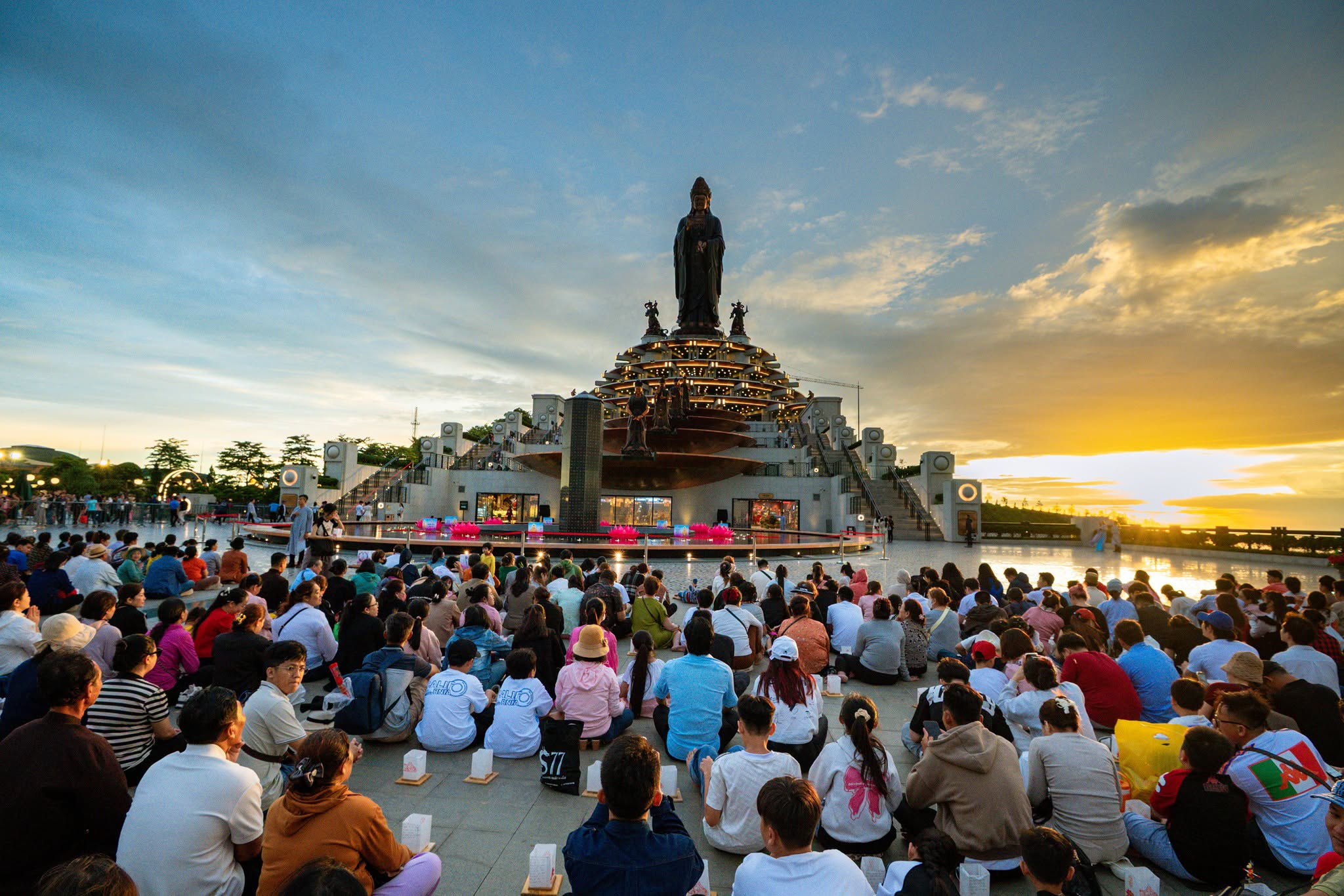
The trend of spiritual mountain tourism is increasingly attracting the attention of many tourists
Besides, investment in tourism infrastructure such as cable car systems, service areas, and modern sightseeing routes has made accessing mountain destinations more convenient. As a result, the trend of spiritual mountain tourism is no longer limited to traditional pilgrims but is increasingly attracting young people, families, and international tourists. Many people choose short trips to sacred mountains to both visit, relax, and seek moments of peace amidst nature.
Not only carrying religious significance, the trend of spiritual mountain tourism also contributes to helping tourists discover local historical, cultural, and identity values. Each destination is associated with legends, folk tales, and unique architectural works, creating depth for the experience journey. This is also why this type of tourism is increasingly becoming a prominent trend, meeting the needs of modern tourists for exploration, contemplation, and connection with nature.
2. Famous spiritual mountain tourist destinations in Vietnam
The development of the trend of spiritual mountain tourism has made many sacred mountains become attractive destinations for millions of visitors each year. Not only possessing majestic natural landscapes, these places also preserve unique cultural, historical, and religious values, offering tourists experiences that are both exploratory and spiritually rich. From the South to the Northwest, each mountain has its own distinct imprint, contributing to the diverse picture of Vietnamese spiritual tourism.
2.1. Ba Den Mountain (Tay Ninh)
Ba Den Mountain is one of the most typical destinations for the trend of spiritual mountain tourism in Vietnam. With a height of 986m, it is the highest mountain in the South, and has long been considered a sacred land associated with the legend of Linh Son Thanh Mau and the religious life of the people of Tay Ninh.
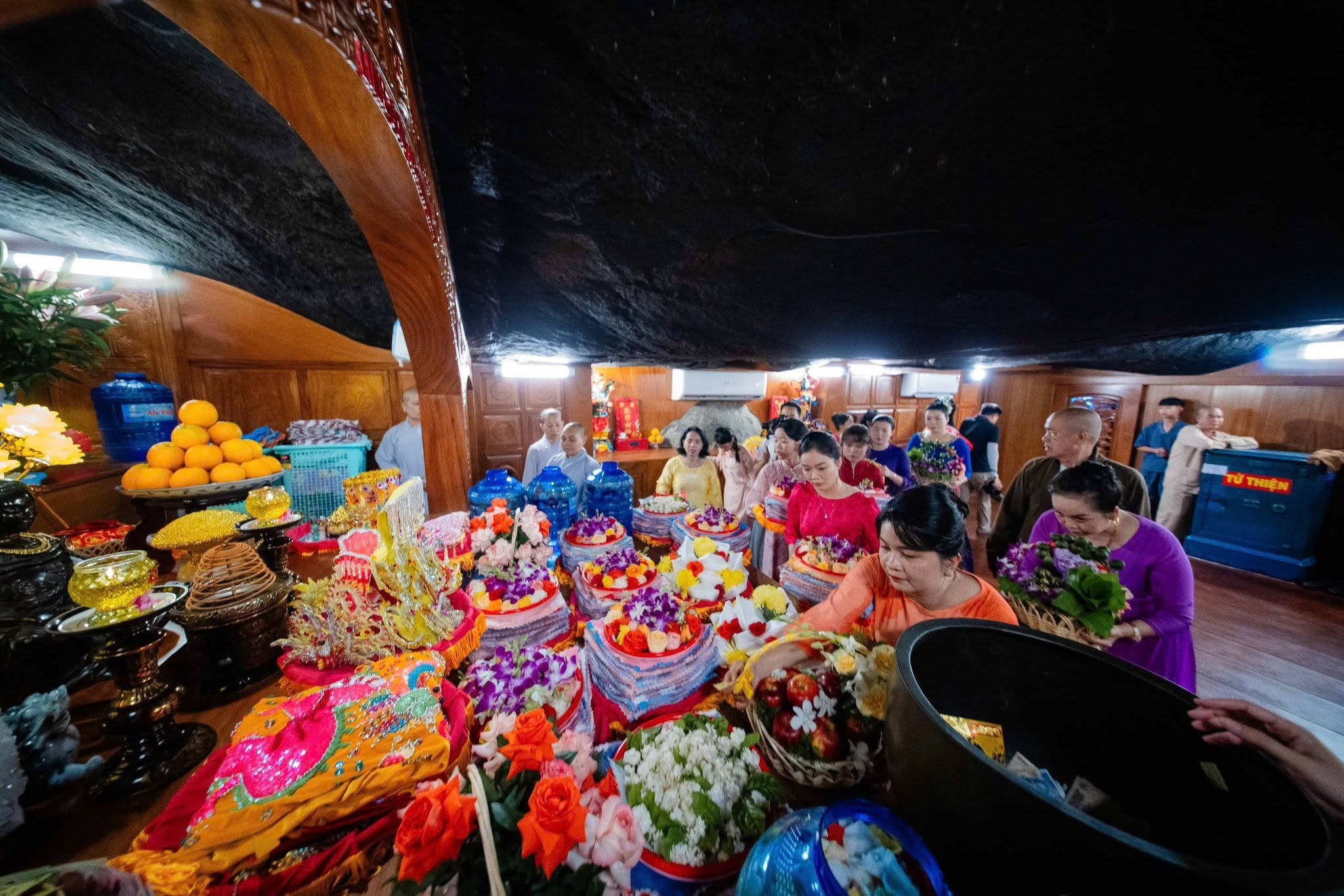
Visitors visit Ba Pagoda - a pagoda over a hundred years old at Black Lady Mountain
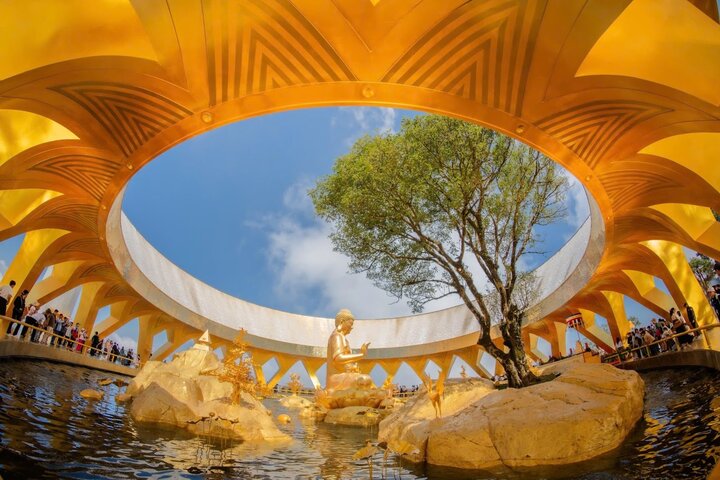
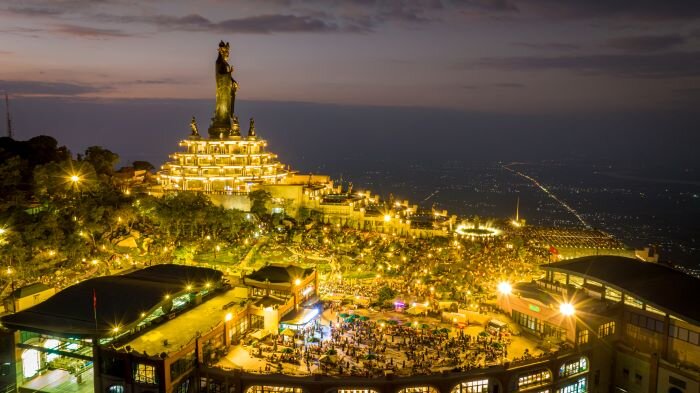
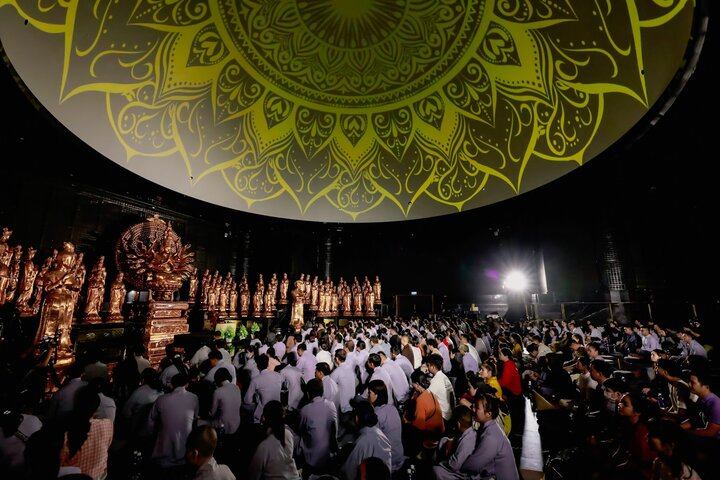
Today, Black Lady Mountain is not only a famous pilgrimage site but also a large-scale spiritual tourism complex. On the mountaintop, visitors can worship the bronze statue of Tay Bo Da Son Bodhisattva, the tallest in Asia, visit the Buddhist Exhibition Center, a vast square, and many unique spiritual cultural works. At the foot of the mountain are the Ba Pagoda, Hang Pagoda, and many other worship sites with hundreds of years of history.
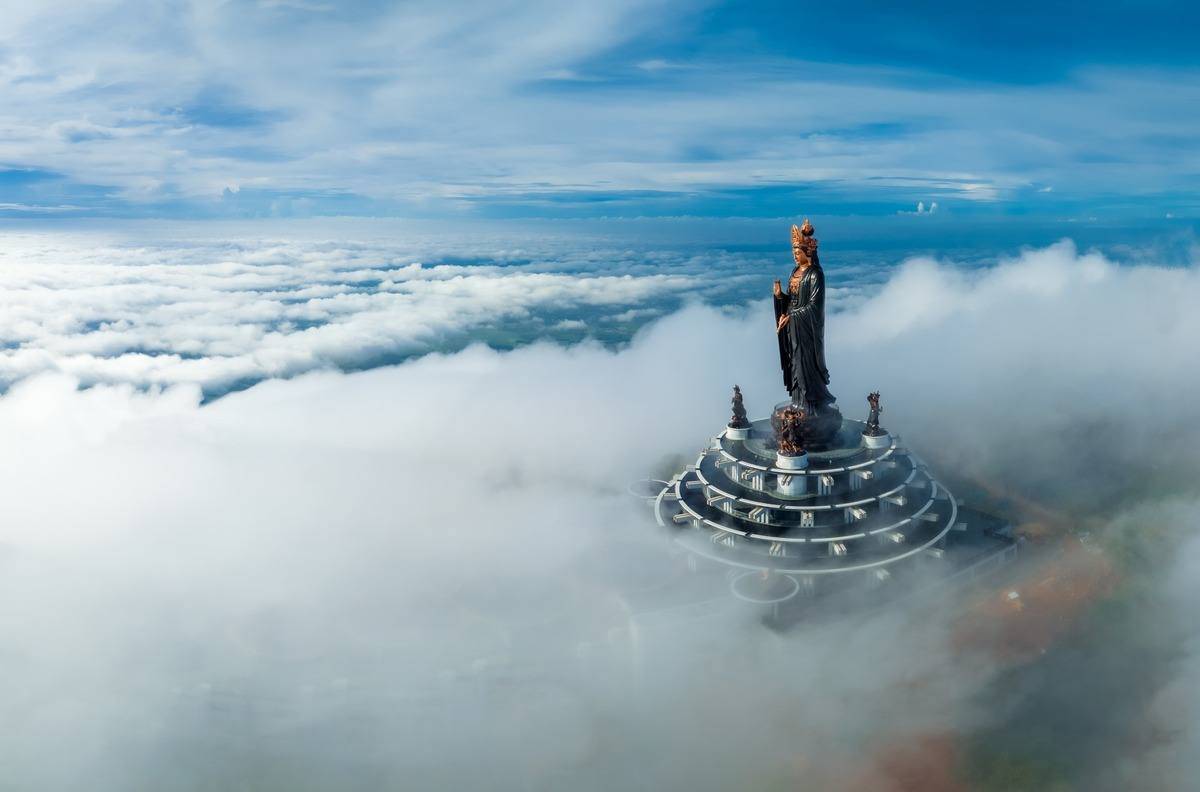
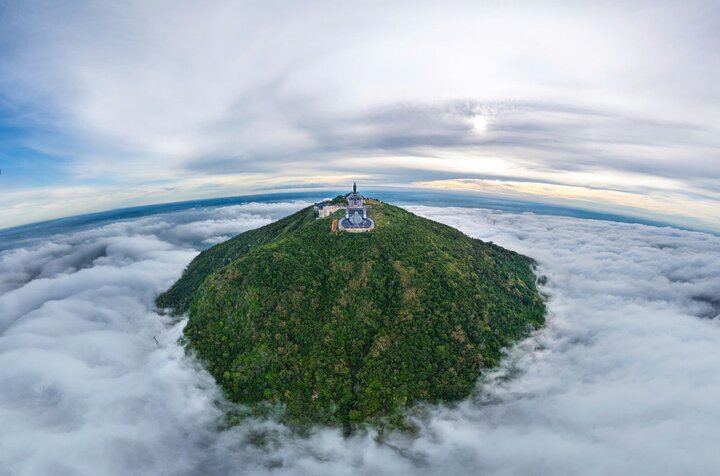
Magical natural scenery on top of Ba Den Mountain
Besides its spiritual value, Ba Den Mountain is also famous for its spectacular natural scenery. Tourists can take the cable car to the mountain top to hunt for clouds, watch the sunrise, admire Dau Tieng Lake and the panoramic view of the Southern plains from above. The combination of nature, culture, and belief has helped Ba Den Mountain become one of the most attractive spiritual tourist destinations in the country.
2.2. Fansipan Peak (Lao Cai)
Fansipan is a special destination that combines the experience of conquering the highest peak in Indochina with exploring a spiritual complex amidst the Northwestern mountains. With a height of 3,143m, Fansipan is not only famous for its majestic natural scenery but also a convergence of many large-scale Buddhist structures built amidst year-round sea of clouds.
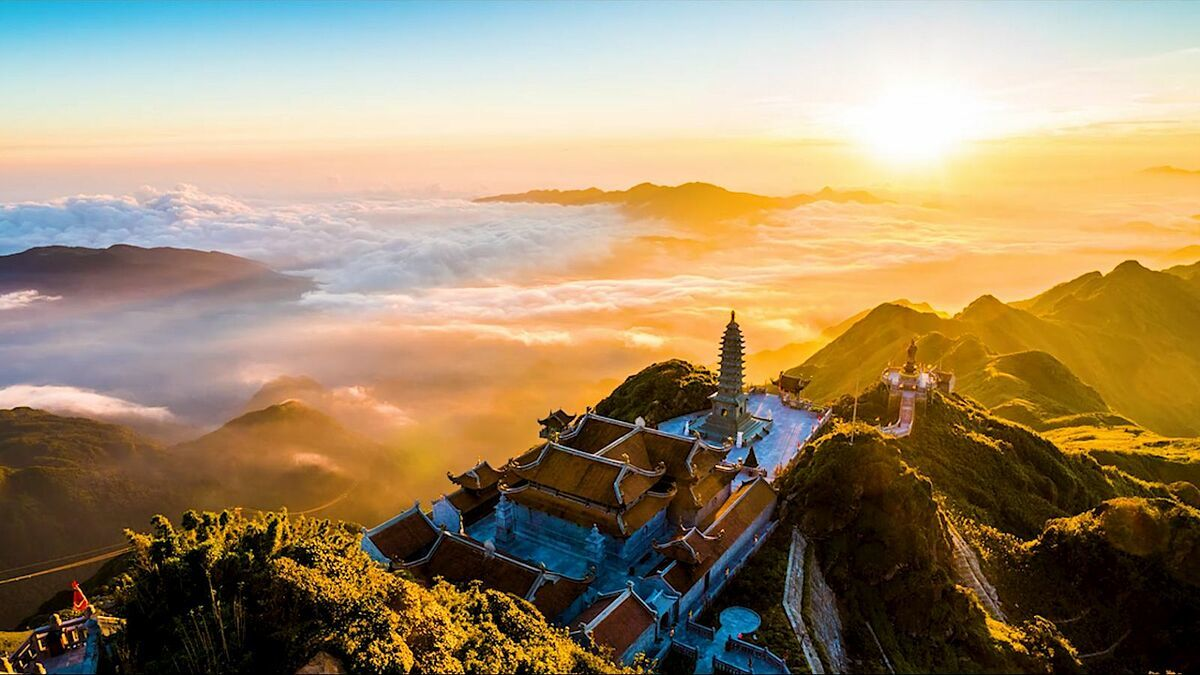
Sacred spiritual complex at the summit of Fansipan
On the journey to the summit, visitors will encounter Vietnam's tallest bronze Great Buddha statue, Kim Son Bao Thang Pagoda, Bao An Zen Monastery, and many other spiritual structures bearing the distinct architectural imprint of the Tran Dynasty Buddhist period. Amidst the majestic mountains and enveloping white clouds, these structures create a uniquely serene and sacred atmosphere.
What makes Fansipan so captivating is the pilgrimage experience amidst majestic nature. On clear days, visitors can stand on the summit, gaze at the endless sea of clouds, and feel the harmony between heaven and earth. This is why Fansipan has become a chosen destination for many tourists seeking journeys that are both spiritually meaningful and rich in experience.
2.3. Yen Tu Mountain (Quang Ninh)
Yen Tu is considered one of the most important Buddhist centers in Vietnam. It is where King Tran Nhan Tong practiced Buddhism and founded the Truc Lam Yen Tu Zen school – a Zen lineage with a distinct Vietnamese identity.
The journey to explore Yen Tu takes visitors through a system of ancient pagodas, hermitages, and stupas nestled amidst the mountains and forests, such as Hoa Yen Pagoda, Mot Mai Pagoda, Dong Pagoda, and many other sites of special historical value. Each structure is associated with stories about King Tran Nhan Tong as well as the development history of Vietnamese Buddhism.
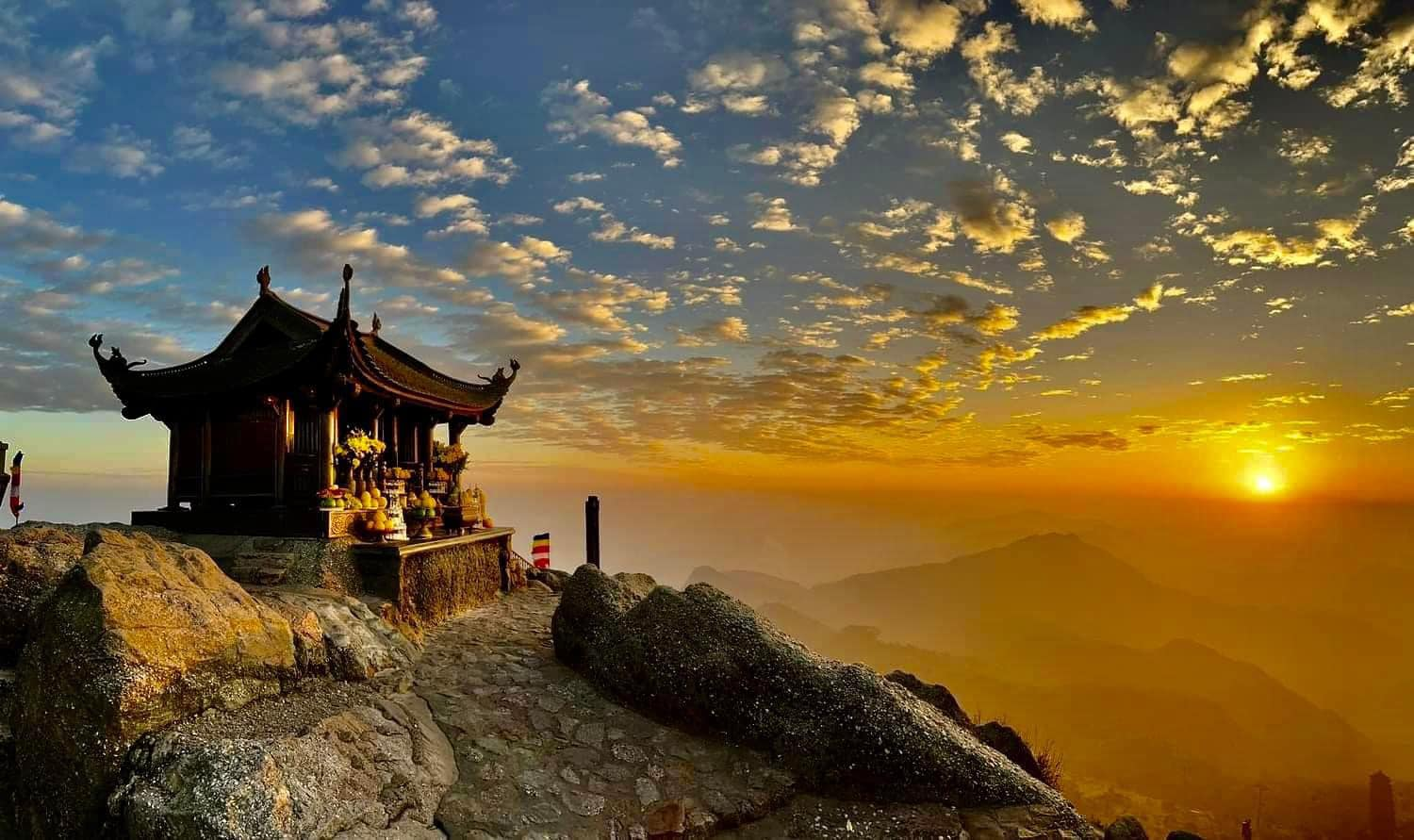
Yen Tu Mountain is a leading spiritual tourist destination in the Northern region
Not only holding religious significance, Yen Tu also captivates with its pristine natural scenery, ancient forests, clouds, mountains, and cool climate year-round. For many tourists, the journey to the summit of Yen Tu is not just a visit but also an opportunity to contemplate, find peace, and connect with the traditional cultural values of the nation.
2.4. Sam Mountain (An Giang)
Sam Mountain is one of the largest pilgrimage sites in the Southern region. It is famous for the Ba Chua Xu Temple, a place that attracts millions of pilgrims annually, especially during the Ba's festival season.
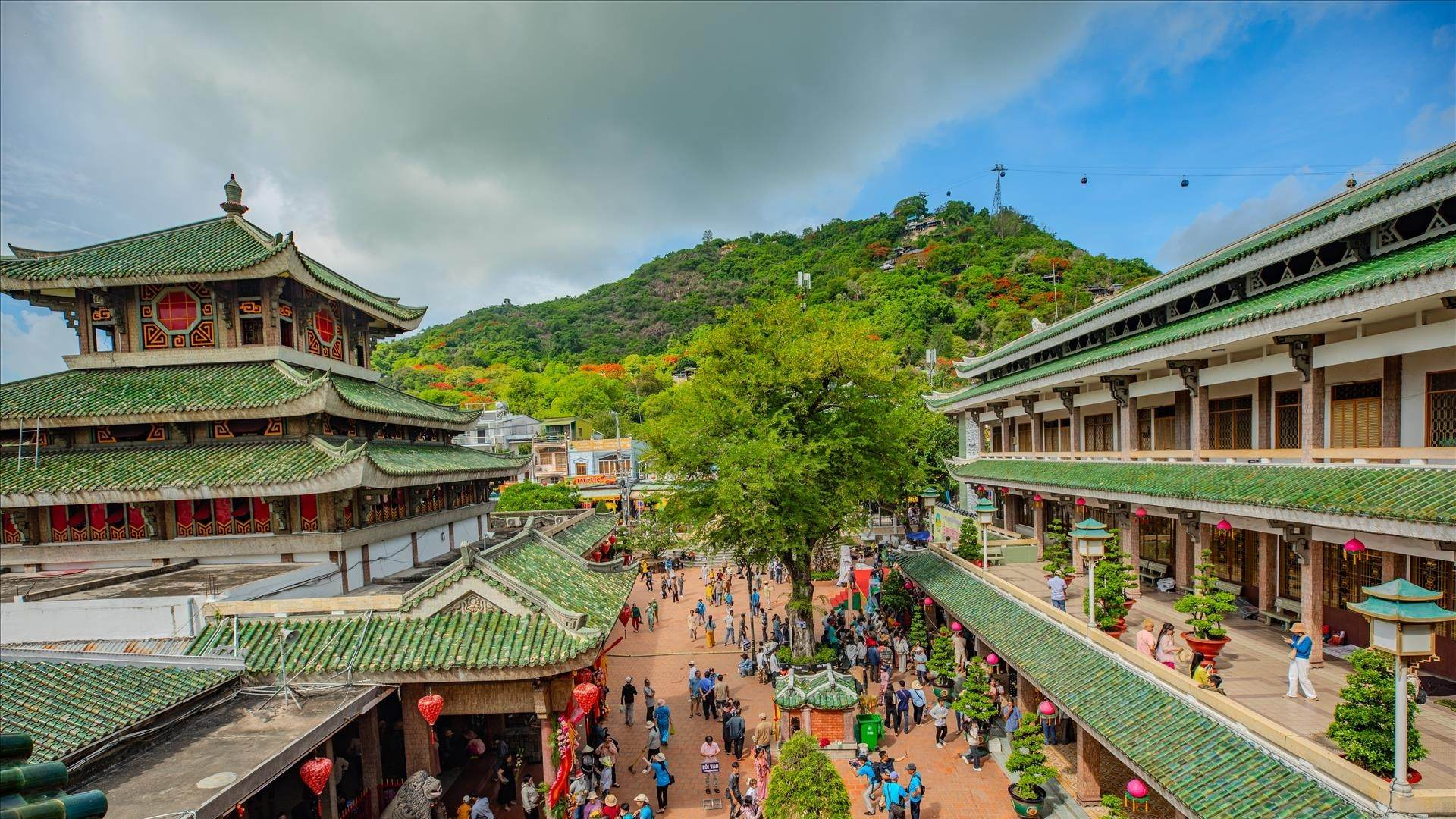
Visitors pay homage and pilgrimage at Sam Mountain in An Giang
Surrounding Sam Mountain is a system of ancient spiritual structures such as Tay An Pagoda, Thoai Ngoc Hau Mausoleum, Hang Pagoda, along with many important historical and cultural relics. These structures reflect the unique intersection of Southern Vietnamese folk beliefs, Khmer culture, and Buddhist influences in the region.
Besides its spiritual value, Sam Mountain also boasts a special location near the Vietnam-Cambodia border. From above, visitors can admire the panoramic view of the fields, canals, and the prosperous land of Chau Doc. It is this combination of religious culture, history, and natural landscape that has made Sam Mountain an important destination on Vietnam's spiritual tourism map.
2.5. Cam Mountain (An Giang)
Cam Mountain is the highest mountain in the Mekong Delta region and the most famous landmark in the That Son (Seven Mountains) complex. With an altitude of over 700m, this place has long been considered a sacred land associated with many legends and spiritual stories of the Southwestern region.
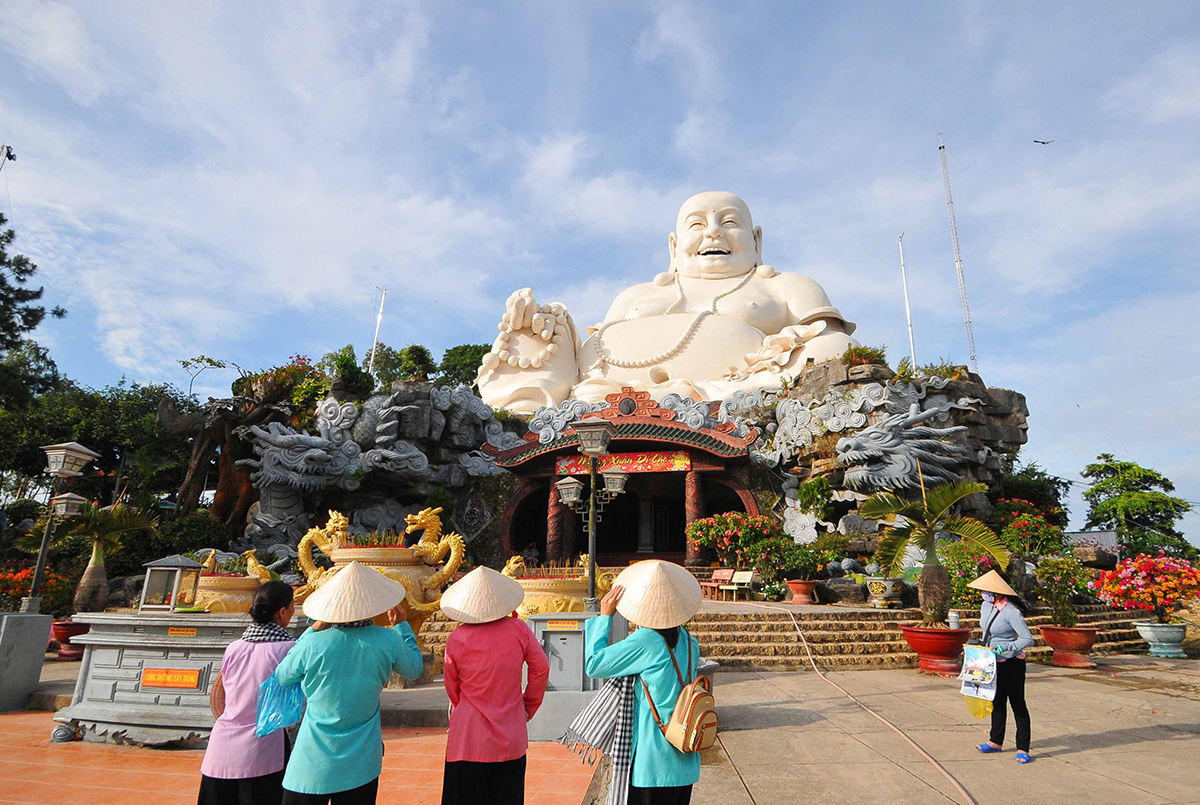
Tourists amazed by the giant Maitreya Buddha statue at Cam Mountain
The prominent highlight of Cam Mountain is the complex of pagodas, shrines, and the giant Maitreya Buddha statue nestled amidst the lush green mountain scenery. Visitors here can explore Van Linh Pagoda, Phat Lon Zen Monastery, Thuy Liem Lake, and many other spiritual destinations scattered across the mountain. The tranquil atmosphere and cool climate year-round create ideal conditions for pilgrimage, meditation, and relaxation activities.
Besides the spiritual aspect, Cam Mountain also captivates with its unique natural landscape. From the mountaintop, visitors can gaze out at the entire legendary Seven Mountains region and the vast rice fields of the Mekong Delta. This is an ideal destination for those who wish to combine pilgrimage, nature exploration, and experiencing the distinctive culture of the An Giang land.
3. Why is spiritual tourism on mountains increasingly attractive to tourists?
The strong development of the trend of spiritual tourism on mountains is not a temporary phenomenon but reflects the increasingly diverse needs of modern tourists. While in the past, pilgrimages were mainly associated with beliefs and worship, today, spiritual tourism on mountains has become a comprehensive experience, combining nature exploration, cultural discovery, relaxation, and mental health care. This is also why many spiritual destinations on mountains are consistently ranked among the most attractive places in Vietnam.
3.1. Providing a healing space amidst nature
One of the key factors driving the trend of spiritual tourism on mountains is the need to seek balance in life. After the pressures of work and urban life, many people choose to go to the mountains to enjoy the fresh air, temporarily escape the noise, and dedicate time to themselves.
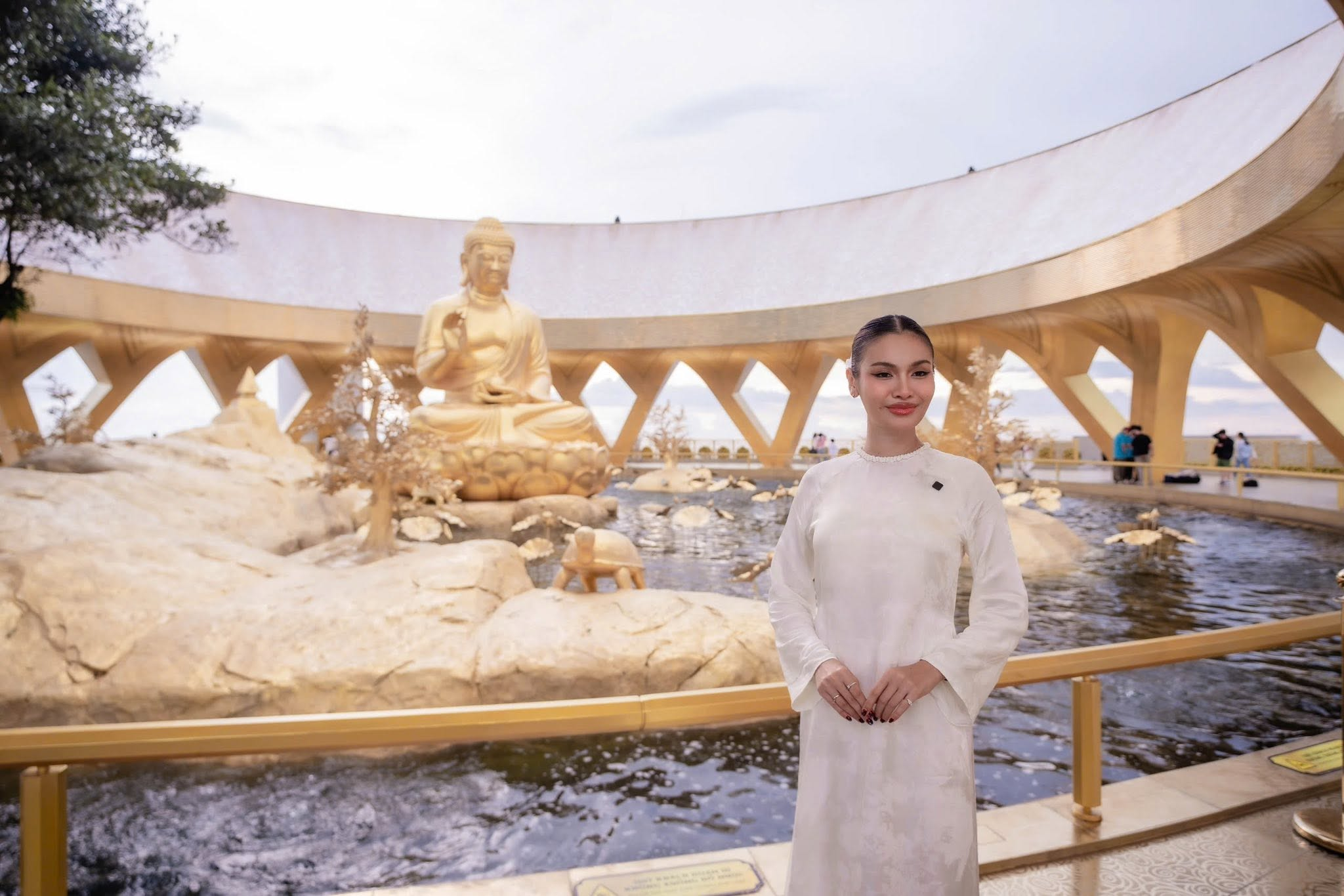
Tourists experience spiritual tourism in the mountains to find balance in life
Unlike crowded city destinations, sacred mountains often possess open landscapes, cool climates, and quiet spaces. The sound of temple bells amidst the mountains, cloud-covered paths, or moments of watching the sunrise from above all bring a sense of relaxation, helping tourists regenerate energy both physically and mentally.
3.2. Harmonious combination of tourism and spiritual culture
The special feature of spiritual tourism in the mountains is its ability to provide culturally deep experiences. Each mountain is associated with legends, historical figures, or religious stories passed down through generations. Therefore, the journey of exploration is not just about sightseeing but also an opportunity to learn about the unique cultural values of each region.
Tourists can visit Buddhist architectural works, learn about the formation history of ancient temples, participate in traditional festivals, or experience characteristic spiritual cultural activities. It is this combination of tourism and culture that creates the sustainable attraction for this type of tourism.
3.3. Modern infrastructure enhances the experience
Another important factor contributing to the promotion of the trend of spiritual tourism in the mountains is the strong investment in infrastructure and tourism services. Many destinations have developed modern cable car systems, convenient sightseeing routes, and integrated facilities, making it easy for tourists to access spiritual sites located on mountaintops.
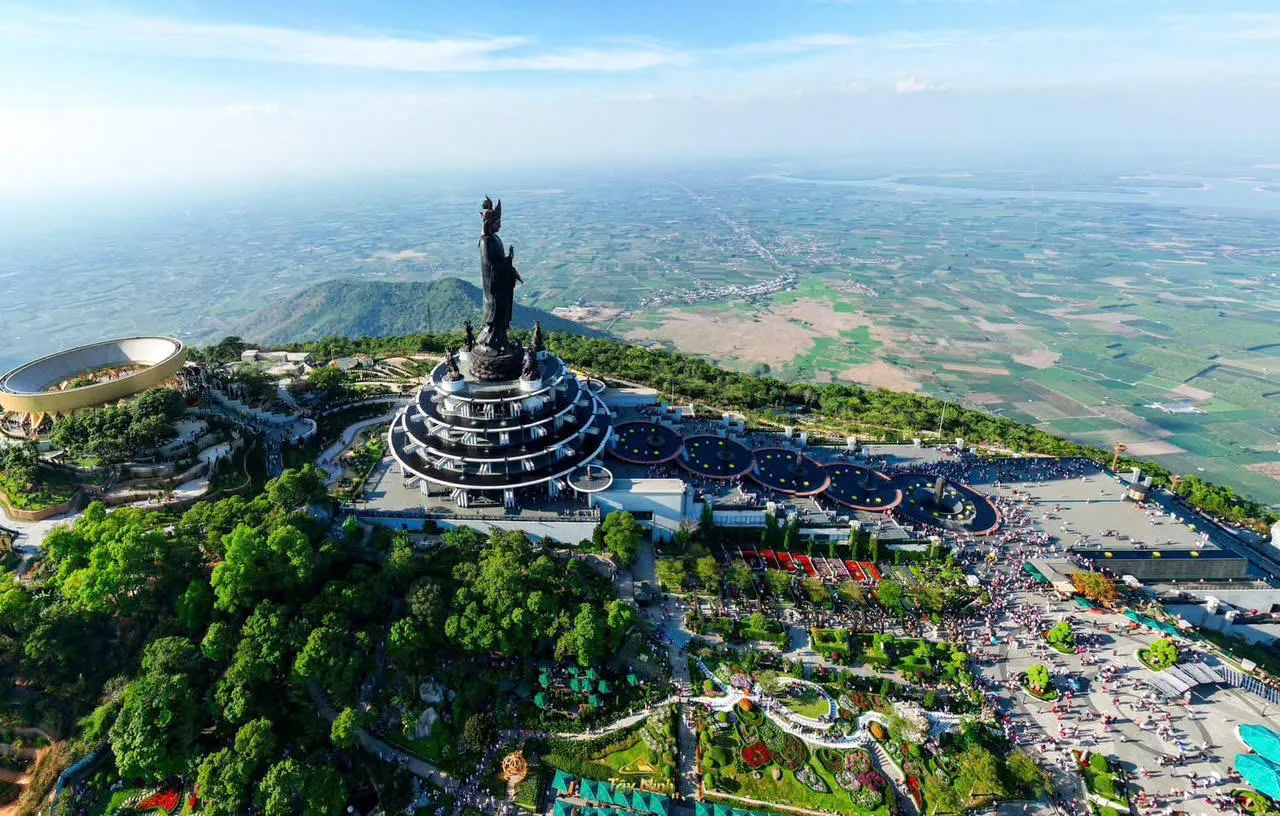
The modern infrastructure of the Ba Den Mountain tourist area attracts many tourists to experience
Thanks to this, the exploration journey becomes easier and more convenient, even for the elderly or families with young children. The combination of natural landscapes, large-scale spiritual cultural works, and modern infrastructure has created quality experiences, contributing to making spiritual tourism on mountains one of the prominent trends in Vietnam's tourism industry today.
3.4. Meeting the experience tourism trend of the new era
Nowadays, tourists not only want to "go to see" but also want to "go to feel". Therefore, journeys that bring emotional value, help connect with nature, and seek peace are increasingly prioritized. Spiritual tourism on mountains meets the needs of exploration, relaxation, and deep cultural and spiritual experiences simultaneously.
In the context of tourism increasingly moving towards sustainability and personalized experiences, spiritual destinations on mountains are predicted to continue to develop strongly in the future. Not only are they places of pilgrimage, but they are also spaces for tourists to find balance, broaden their understanding of culture, and create memorable journeys amidst majestic nature.
The development of the spiritual tourism trend on mountains shows the growing demand of tourists for journeys with spiritual value and deep experiences. These are not just simple sightseeing or pilgrimage trips; spiritual destinations on mountains also open up opportunities for people to connect with nature, learn about local culture, and take time to pause amidst the modern pace of life.
In the future, the spiritual tourism trend on mountains is predicted to continue to develop strongly as tourists increasingly care about spiritual values, health, and sustainable experiences. This is not only a trend in the tourism industry but also a journey that helps each person find balance, peace, and positive energy amidst vast nature.