- 1. General introduction to the historical and cultural relic of the Tua Hai victory
- 2. Detailed guide to traveling to the historical and cultural relic of the Tua Hai victory
- 3. Architectural features and typical artifacts at the Tua Hai victory historical and cultural relic site
- 4. Unmissable experiences at the historical and cultural relic of the Tua Hai victory
- 5. Combine exploration of other attractions in Tay Ninh
- 6. Experience visiting the Tua Hai Victory historical and cultural relic
1. General introduction to the historical and cultural relic of the Tua Hai victory
1.1. Geographical location
The historical and cultural relic of the Tua Hai victory is located in Tua Hai hamlet, Chau Thanh commune, Tay Ninh province, on National Highway 22B. Located about 9 km northwest of the Tay Ninh provincial center, this location is very convenient for travel and visiting. From here, you can easily combine visits to other famous places in Tay Ninh such as Ba Den Mountain or the Central Office for South Vietnam base to create a comprehensive exploration journey of the history and culture of this land.
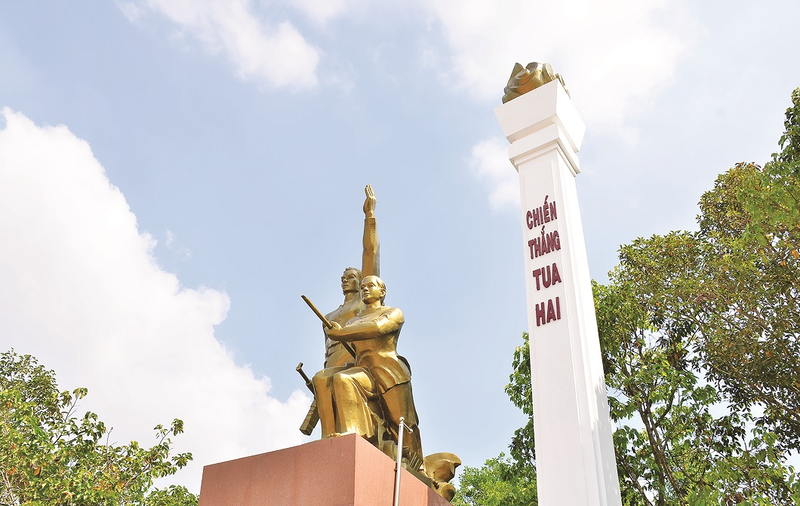
The Tua Hai Victory Monument is an important structure in Tay Ninh. (Source: Collected)
1.2. Historical significance, the pride of Tay Ninh and the entire country
It is no coincidence that the Tua Hai Victory Monument is considered an important historical landmark with special meaning in the people's consciousness. This place is associated with the Dong Khoi movement, marking a significant turning point in the history of the revolution in Southern Vietnam. This event initiated the resistance war against the US for national salvation, marking the growth and determination of the people of Tay Ninh as well as the entire country.
The Tua Hai Victory Historical and Cultural Monument has become a symbol of patriotism and unyielding will. Every year, on January 26th, this place welcomes many visitors, especially youth and student delegations, to learn about the revolutionary tradition. The space here is like an outdoor history lesson, inspiring the younger generation deeply.
1.3. History of formation and the Tua Hai battle event
In the early morning of January 26, 1960, at exactly 0:30 AM, the Tua Hai battle took place with extreme intensity. The army and people of Tay Ninh, in coordination with armed forces in the region, launched an attack, initiating the armed Dong Khoi movement in Southeastern Vietnam. This battle yielded results beyond expectations: the army and people of Tay Ninh completely broke through the Tua Hai defense line, captured hundreds of tons of weapons, and liberated thousands of political prisoners.
This victory created strong momentum for the struggle movement throughout the Southeastern Vietnam region. The impact of the Tua Hai victory extended beyond borders, demonstrating the strength of unity and self-organization, and the determination of the Vietnamese people to protect their independence. On July 23, 1993, this site was recognized by the State as a National Historical and Cultural Monument.
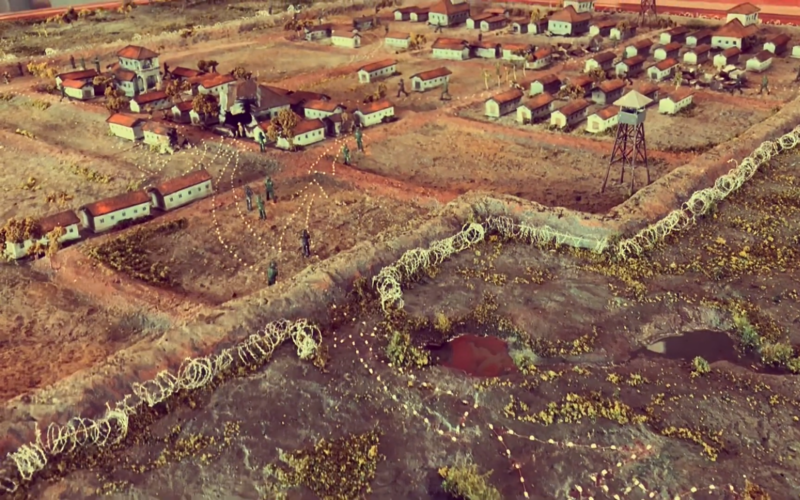
Simulation of battle at Tua Hai. (Source: Collected)
2. Detailed guide to traveling to the historical and cultural relic of the Tua Hai victory
2.1. Traveling from the center of Tay Ninh province
From the center of Tay Ninh city, the distance to the historical and cultural relic of the Tua Hai victory is only about 9 km to the Northwest, very easy to travel. The route is simple as you just need to go straight along National Highway 22B with clear signs. You can choose a motorbike, private car, or taxi to travel. The travel time takes about 15 to 20 minutes.
2.2. Guide to traveling from Ho Chi Minh City and the southern provinces
Departing from Ho Chi Minh City, tourists have many options to reach the historical and cultural relic of the Tua Hai victory . Buses are the means of transport chosen by many, with many routes departing from Mien Dong bus station to Tay Ninh, ticket prices range from 60,000 to 150,000 VND per trip. Upon arrival at Tay Ninh bus station, you can continue to hire a taxi, motorbike taxi, or motorbike to reach the relic.
If traveling by private vehicle, you just need to follow National Highway 22 to the center of Tay Ninh then switch to National Highway 22B to reach Chau Thanh commune. Total travel time is about 2 to 3 hours depending on traffic conditions. This option is suitable if you want to adjust your schedule flexibly and visit more tourist attractions along the way.
2.3. Traveling from the North
Tourists in northern provinces like Hanoi, Da Nang can choose to fly to save travel time. After landing at Tan Son Nhat airport, tourists continue to take a vehicle from Ho Chi Minh City to Tay Ninh as instructed above to reach the historical and cultural relic of the Tua Hai victory. This mode of transport significantly reduces travel time compared to traveling by road or train.

Visitors from the North can choose to fly to Ho Chi Minh City and then travel to Tay Ninh. (Source: Collected)
3. Architectural features and typical artifacts at the Tua Hai victory historical and cultural relic site
3.1. Relic site grounds area
As soon as you step into the Tua Hai victory historical and cultural relic site, you will be impressed by the lush green campus, carefully and harmoniously planned. The trees are planted neatly, creating cool and orderly paths like columns leading to the center of the relic site. The sprawling lawns and spacious environment create a solemn and airy atmosphere for the entire area.
The paths within the grounds are paved with clean bricks, convenient for both the elderly and children when visiting. Benches are arranged in suitable locations for visitors to rest and reflect on the nation's heroic past. The green space not only beautifies the relic site but also symbolizes the new vitality, belief, and hope that previous generations have diligently cultivated.
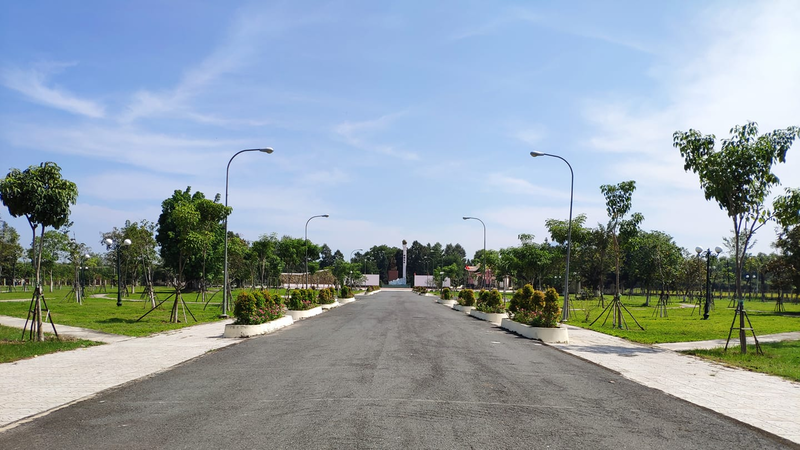
Spacious campus area with green trees on both sides. (Source: Collected)
3.2. Victory Monument Area
Located in the center of the historical and cultural relic of the Tua Hai victory, the victory monument is solidly built of concrete, honoring the resilient will of the revolutionaries. The image of two soldiers with determined faces, holding weapons, symbolizes the bravery and iron will of the people and soldiers of Tay Ninh.
The monument is not only a work of artistic sculpture but also a vivid symbol of strength and spirit in overcoming difficulties and challenges during wartime. Its large size and harmonious design make the statue majestic, deeply inspiring those who admire it. This is an essential stop on the journey of discovery, where every visitor pauses to remember and pay respect.
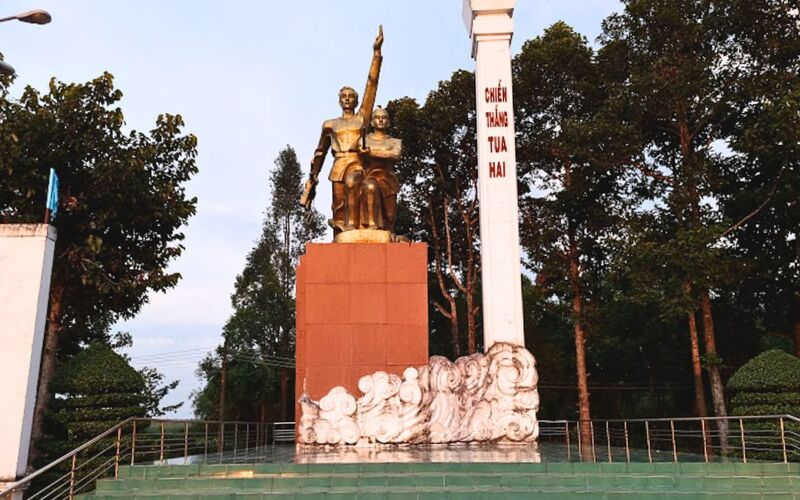
Area of the glorious victory monument. (Source: Collected)
3.3. Area of the memorial steles house
The memorial steles house at the historical and cultural relic of the Tua Hai victory bears the strong imprint of the traditional Southern Vietnamese communal house roof architecture, characterized by its graceful curved roof, creating a sense of closeness and familiarity for the local people. This architecture not only showcases cultural beauty but also contributes to honoring the historical significance of the relic.
The centerpiece of the steles house is a black granite stele, with embossed golden characters recording the merits of the pioneering generations. Each word is carefully selected, emphasizing the principle of "drinking water, remembering its source" (gratitude) and reminding future generations of the great sacrifices of their ancestors. The space within the steles house is always kept clean and respectful, serving activities of remembrance and historical exploration.
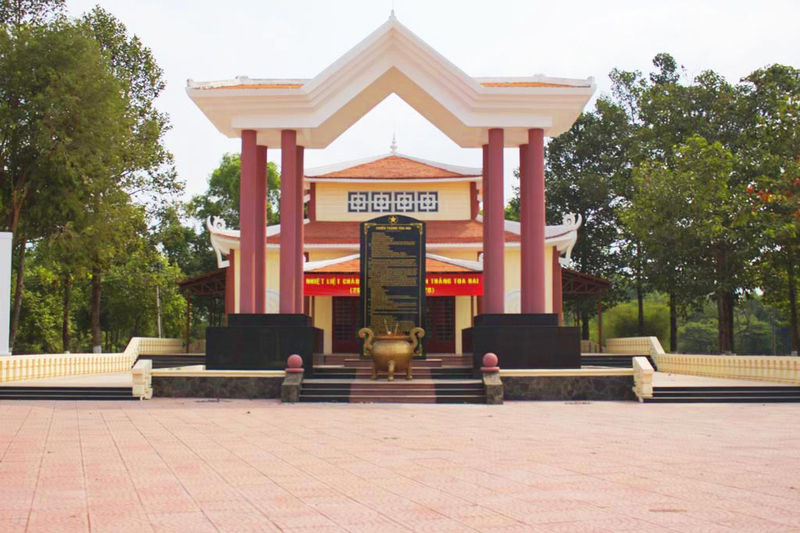
Solemn memorial stele area. (Source: Collected)
3.4. Artifact Exhibition Area
The artifact exhibition hall is considered a living archive of the historical and cultural relic of the Tua Hai victory. A diorama simulating the Tua Hai base during the anti-American resistance war is recreated in detail, helping visitors easily visualize the structure, location, and defensive arrangements at that time. This model is meticulously crafted with small details, offering an authentic and intuitive experience.
The map of the Tua Hai battle in January 1960 is presented with clear symbols and arrows, illustrating the progression of each stage of the battle. Additionally, artifacts such as the Liberation flag, various weapons, documents, and historical images are carefully preserved. These exhibits not only hold historical significance but also evoke memories of a glorious period of national struggle.
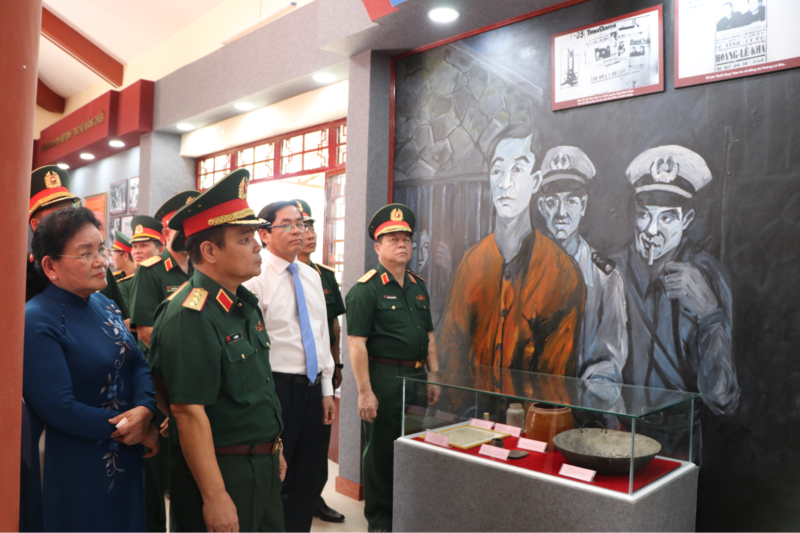
Images of officials visiting the artifact exhibition area. (Source: Collected)
4. Unmissable experiences at the historical and cultural relic of the Tua Hai victory
4.1. Visiting and learning about history through a tour guide
Joining a tour with a guide at the historical and cultural relic of the Tua Hai victory will bring visitors much useful knowledge and deep emotions. The guides here have a solid understanding of history and convey it engagingly, leading visitors through each space of the relic, recounting true stories about the Tua Hai battle.
A special experience is meeting veterans who directly participated in or witnessed this important historical event. They share real-life stories, helping visitors better feel the resilient will and sacrifice of the previous generation. This is a deeply meaningful activity for students and youth, contributing to fostering patriotism and an awareness of cherishing today's peaceful life.
4.2. Check-in at structures and artifact exhibition spaces
The structures within the historical and cultural relic of the Tua Hai victory each have unique characteristics and are places for memorable souvenir photos. The artifact exhibition area is also very attractive with stories presented through images and historical artifacts. When taking photos here, you should show respect and preserve the solemn atmosphere of the relic, avoiding inappropriate actions. The sacredness of this place will help each visitor further appreciate the glorious traditions of the nation.
4.3. Offering incense and expressing gratitude at the memorial area
Performing the incense offering ritual at the historical and cultural relic of the Tua Hai victory is one of the meaningful activities for visitors. The altar placed at the memorial stele house is where you can light fragrant incense, sending deep gratitude to the heroes and martyrs. The quiet space here contributes to creating moments of reflection, contemplation, and remembrance. These moments will surely help everyone, especially the student generation, gain a deeper understanding of the value of independence, freedom, and the responsibility to preserve the nation's fine traditions.
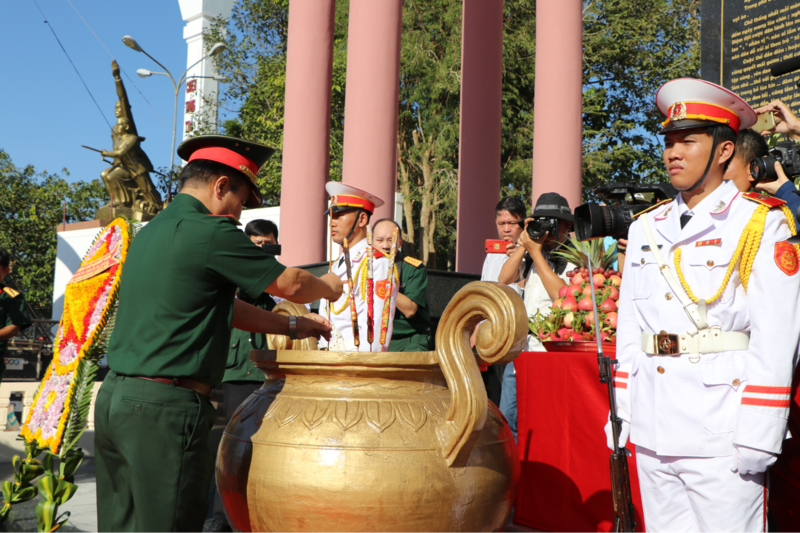
General Le Chiem offered incense to commemorate the Tua Hai Victory historical site on 05/01/2020 (Source: Collected)
5. Combine exploration of other attractions in Tay Ninh
5.1. Black Lady Mountain (Nui Ba Den)
About 45 minutes' drive from the Tua Hai Victory historical and cultural site, Nui Ba Den (Black Lady Mountain) is known as the "roof of the South" with a height of 986 m, making it a great choice to add to your Tay Ninh travel itinerary. This place converges unique spiritual, cultural, and natural experiences. Visitors can use the modern cable car system at Sun World Ba Den Mountain to reach the summit and admire the panoramic view of Tay Ninh from above.
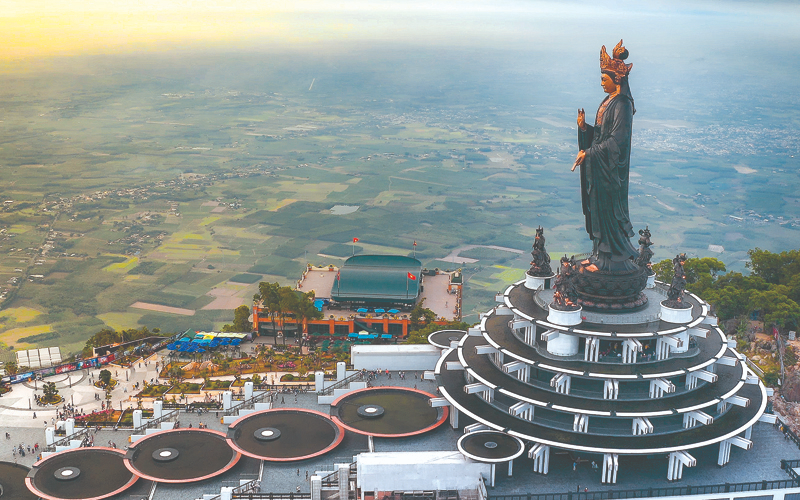
Statue of Lady Buddha Tay Bo Da Son from a bird's-eye view. (Source: Collected)
5.2. Central Office for South Vietnam Base
If you are a history enthusiast, you should not miss the Central Office for South Vietnam Base, a destination that preserves the imprint of the revolutionary activities and leadership in the South during the resistance war. The relic site still preserves the system of underground tunnels, meeting rooms, and structures serving the leadership's work.
Upon arrival, visitors can learn about how the tunnels were dug manually, the unique ventilation system, and the ingenious camouflage methods. All contribute to telling the story of the creativity and perseverance of the former revolutionary soldiers.
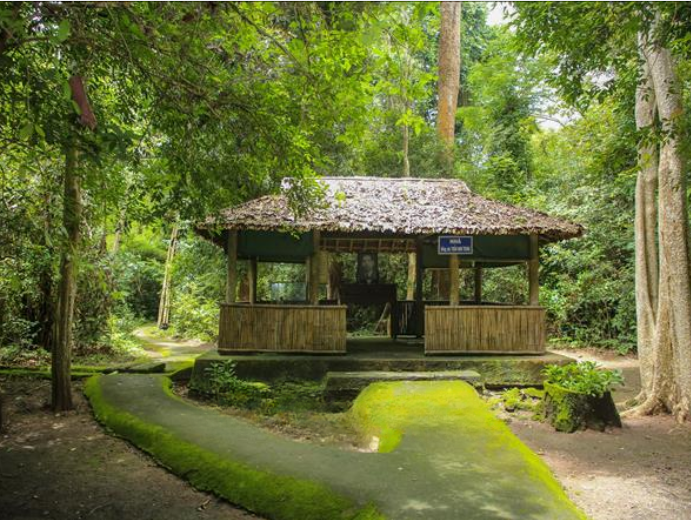
A corner at the Central Office for South Vietnam. (Source: Collection)
6. Experience visiting the Tua Hai Victory historical and cultural relic
The ideal time to visit the Tua Hai Victory historical and cultural relic is in the morning from 7 AM to 10 AM or in the afternoon from 3 PM to 5:30 PM to avoid strong sun.
To suit the solemn atmosphere, when visiting, you should choose polite, modest, light, and airy clothing. Don't forget to bring a hat or cap to protect yourself from the sun, prepare drinking water, a towel, and other personal necessities for your trip.
During your visit, each tourist needs to show respect for the relic: do not touch artifacts without permission, maintain a quiet atmosphere, do not speak loudly or behave inappropriately. Please maintain general hygiene, do not litter, and comply with the regulations of the relic management board. When participating in incense offering ceremonies, queue in order and behave properly to spread the beauty of Vietnamese culture.
The Tua Hai Victory historical and cultural relic is a place that preserves sacred historical values, helping everyone understand more, love more, and be proud of the nation's resilient tradition. Take time to visit here to feel the indomitable spirit and pass on the flame of patriotism to future generations!