1. Overview of Tay Ninh wild vegetables
1.1. Origin and cultural significance of wild vegetables
Amidst the land of sun and wind, Tay Ninh wild vegetables were born as a gift from nature to the people here. For generations, when the mountain slopes, stream banks, and grasslands around Nui Ba Den turned green with the rainy and dry seasons, the people of Tay Ninh became accustomed to going into the forest to pick vegetables, both for food and for medicinal purposes, to nourish the body.
Each bunch of vegetables picked is not just food for meals, but also a connection between people and nature, reflecting a simple lifestyle, attachment, and respect for nature, and is also a characteristic cultural feature of the Nam Bo region.
1.2. Why wild vegetables are a specialty of the holy land of Tay Ninh
It is no coincidence that Tay Ninh wild vegetables have become a specialty that deeply embodies the spirit of the holy land. Thanks to the tropical climate, sandy loam soil, and abundant rainfall around Nui Ba Den, this place converges ideal conditions for wild vegetables to grow lushly, retaining their slight astringency, sweet aftertaste, and characteristic aroma.
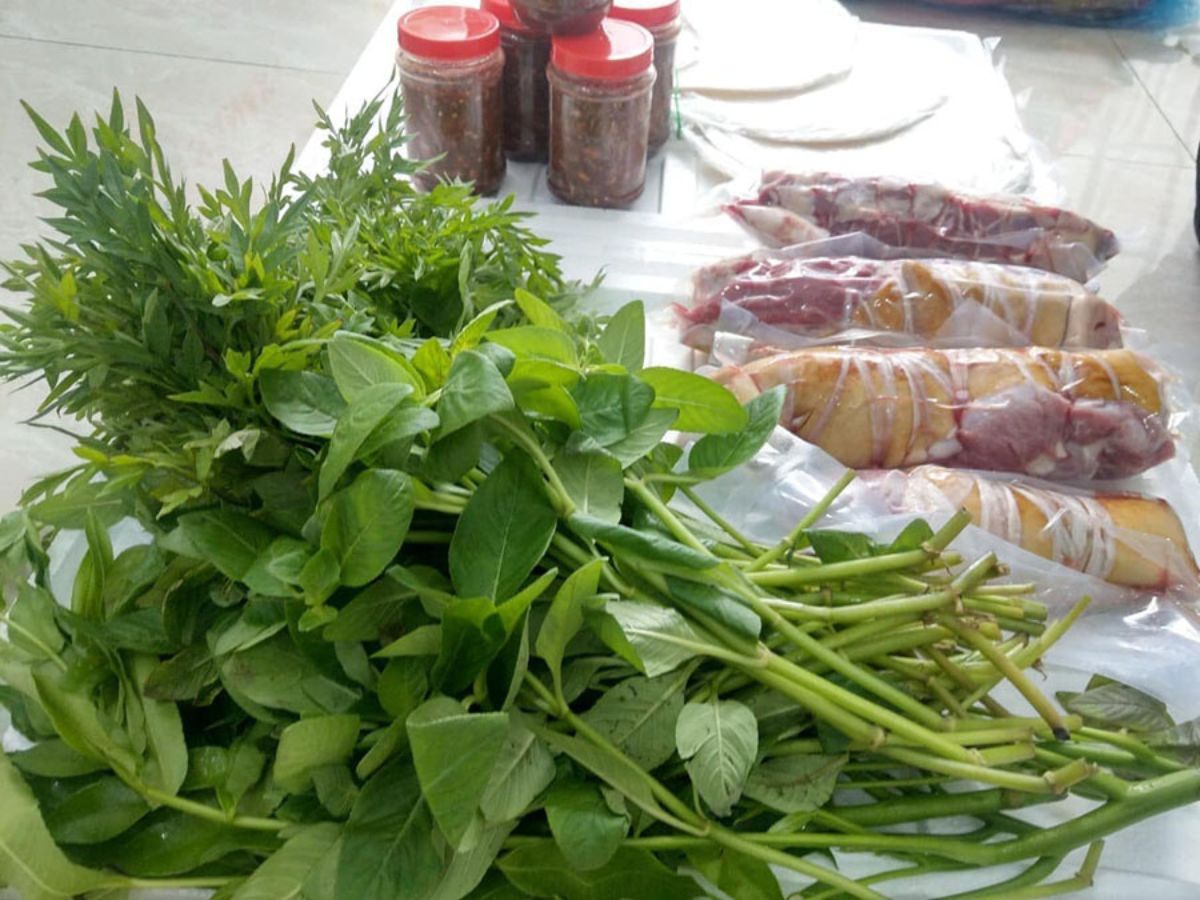
Tay Ninh wild vegetables are a specialty of the holy land. (Source: Collected)
Locals often compare Tay Ninh wild vegetables to the character of the people here: simple, genuine, hospitable, and full of life. Although it's just a rustic vegetable dish, its natural essence makes visitors remember it forever after just one taste.
1.3. Signature dishes made from Tay Ninh wild vegetables
From simple leaves, Tay Ninh people have created many dishes that are both rustic and unique. The most popular is wild vegetables dipped in crab paste, a dish combining sour, astringent, sweet, and salty flavors, making diners feel like they are tasting the flavors of the land and water.
Additionally, there are rice paper rolls with wild vegetables, blending the chewy texture of the rice paper, the pungent spiciness of shrimp salt, and the aroma of forest leaves; or hot pot with wild vegetables and fermented fish paste, a cozy dish for rainy afternoons in the mountainous region. Each dish carries the breath of the homeland, simple yet rich, much like the genuine, warm, and affectionate people of Tay Ninh.
2. Common types of wild vegetables in Tay Ninh
2.1. Group of young leaves and vines
In Tay Ninh, locals often harvest vegetables such as hog plum leaves, Giang leaves, Bang Lang shoots, water coconut vegetables… from forest edges and stream banks when they are young and fresh. For example, young hog plum leaves are refreshingly sour, crisp, and rich in vitamins and are often used to cook sour soup or eaten with rice paper.
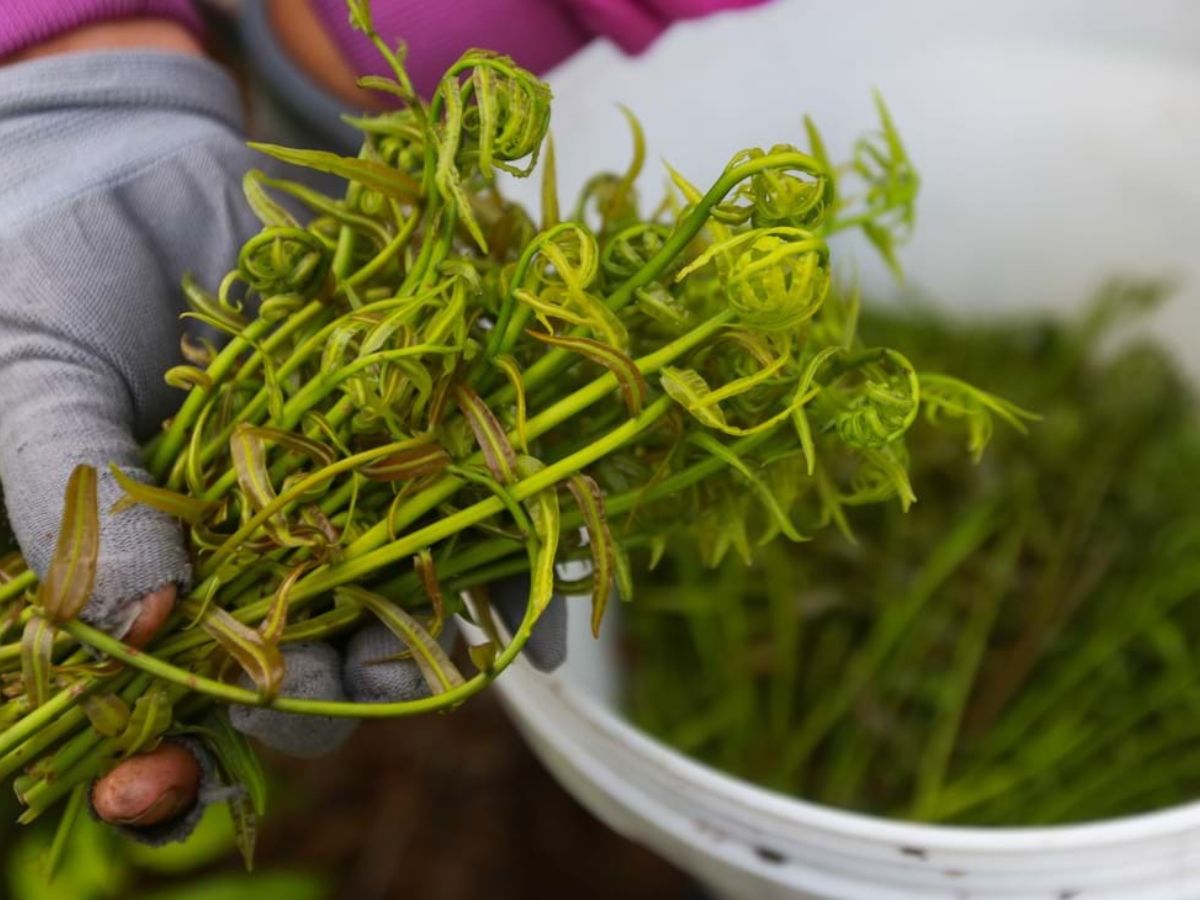
Wild vegetables of Tay Ninh are naturally harvested, from the mountains carrying a distinctive flavor. (Source: Collected)
These climbing vegetables have a natural flavor, helping to balance the richness in dishes like banh xeo or boiled pork. It is this freshness from nature that makes Tay Ninh wild vegetables special.
2.2. Group of astringent vegetables
Another characteristic of this sunny and windy land is the presence of astringent vegetables such as lá bứa, lá trâm bầu, young mango leaves, and fig leaves. For example, lá bứa leaves have a slightly sour and astringent taste and are often finely chopped to cook sour soup or eaten raw with spring rolls.
Eaten with boiled pork, rice paper, or grilled fish, these astringent vegetables not only stimulate the palate but also help cut through richness, creating a unique characteristic in Tay Ninh cuisine, both rustic and sophisticated.
2.3. Group of refreshing and cooling vegetables
Among the popular wild vegetables, there are also varieties that stand out for their aroma and cooling properties, such as wild betel leaf, đọt sộp, and wild pennywort. These are often used in fresh vegetable platters or as salads, helping to soothe spiciness and heat, and creating a refreshing feeling. It is the benefits of wild vegetables that give them value beyond just being food, also reflecting the natural, close-to-nature lifestyle of the people of Tay Ninh.
2.4. Nutritional and folk medicinal uses of wild vegetables
Tay Ninh wild vegetables are not just side dishes but also contain high nutritional value and applications in folk medicine: many varieties are rich in vitamins, minerals, and antioxidants, aiding digestion, cooling the body, and detoxifying.
For example, astringent or cooling vegetables are often used by locals as "food and medicine" to cool the body, reduce internal heat, support the digestive system, and boost the immune system, part of the culinary knowledge of the mountainous region.
3. Culinary experience of wild vegetables in Tay Ninh
3.1. Famous eateries featuring wild vegetable dishes
When visiting Tay Ninh, tourists can easily see images of lush green Tay Ninh wild vegetable platters beautifully arranged and fresh in local specialty restaurants. The most prominent is Bau Don restaurant, known as the "wild vegetable paradise," with over 40 different types of leaves served with boiled pork, grilled fish, or sun-dried rice paper.
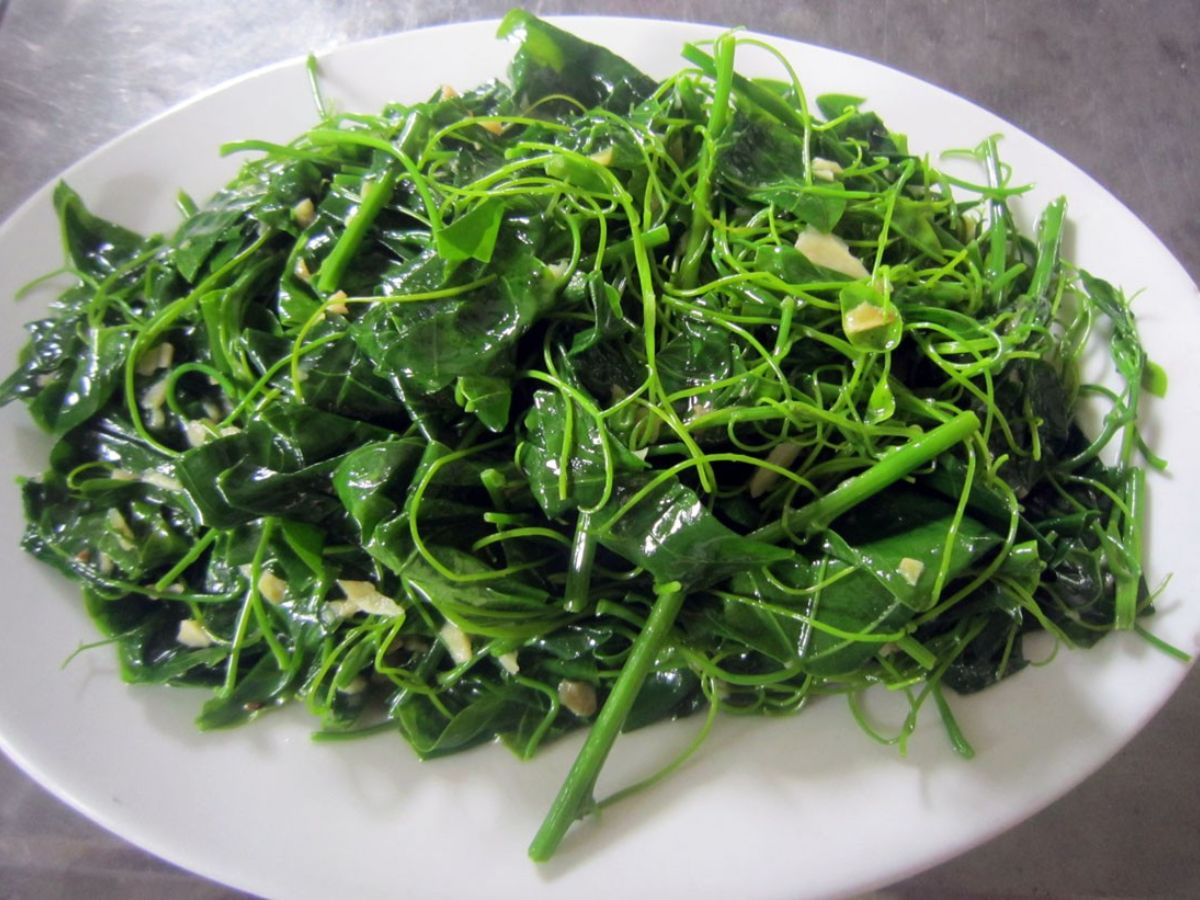
Wild vegetables appear in the meals of local people and many Tay Ninh specialty restaurants. (Source: Collected)
Additionally, Nam Dung restaurant located near Long Hoa market and Vuon Xoai restaurant by Dau Tieng lake are also familiar destinations, where diners can enjoy rustic dishes while experiencing the peaceful countryside atmosphere. The prices for meals range from 60,000 – 120,000 VND, suitable for both tourists and local residents.
3.2. Wild vegetables and the famous dew-dried rice paper
In the cuisine of the mountainous region, Tay Ninh wild vegetables and dew-dried rice paper are considered a "perfect couple". Fresh green wild vegetable leaves wrapped with thin rice paper, dipped with shrimp salt or tamarind fish sauce create a perfect blend of flavors: sour, spicy, salty, sweet.
This is an indispensable dish in village feasts or family meals, reflecting the sophistication of the Tay Ninh people, who know how to utilize natural ingredients to create delicious dishes full of flavor and emotion.
3.3. Suggestions for buying wild vegetables as gifts
If you want to bring some of the mountain flavor home as a gift, you can visit Long Hoa market, located in the major specialty shopping center of Tay Ninh, where fresh bunches of wild vegetables are always available, harvested every morning.
Additionally, the Moc Bai border gate area or local specialty stores such as Ngoc Han Tay Ninh Specialties, Huong Vi Que also offer dried wild vegetables, vacuum-packed for convenient preservation and transport. Each bunch of wild vegetables is not only a culinary gift but also a simple affection from the holy land of Tay Ninh sent to distant visitors.
4. Experience and notes when enjoying Tay Ninh wild vegetables
4.1. The best time of year for wild vegetables
According to local people, the rainy season from May to October is when Tay Ninh wild vegetables are freshest and most delicious. When the first rains fall, tender young forest leaves grow green, covering the slopes of Ba Den mountain and the shores of Dau Tieng lake.
At this time, the vegetables are both crispy and fragrant, suitable for making spring rolls, salads, or dipping in crab paste. For tourists, this is also an ideal season to enjoy cuisine while experiencing the fresh atmosphere of the holy land of Tay Ninh.
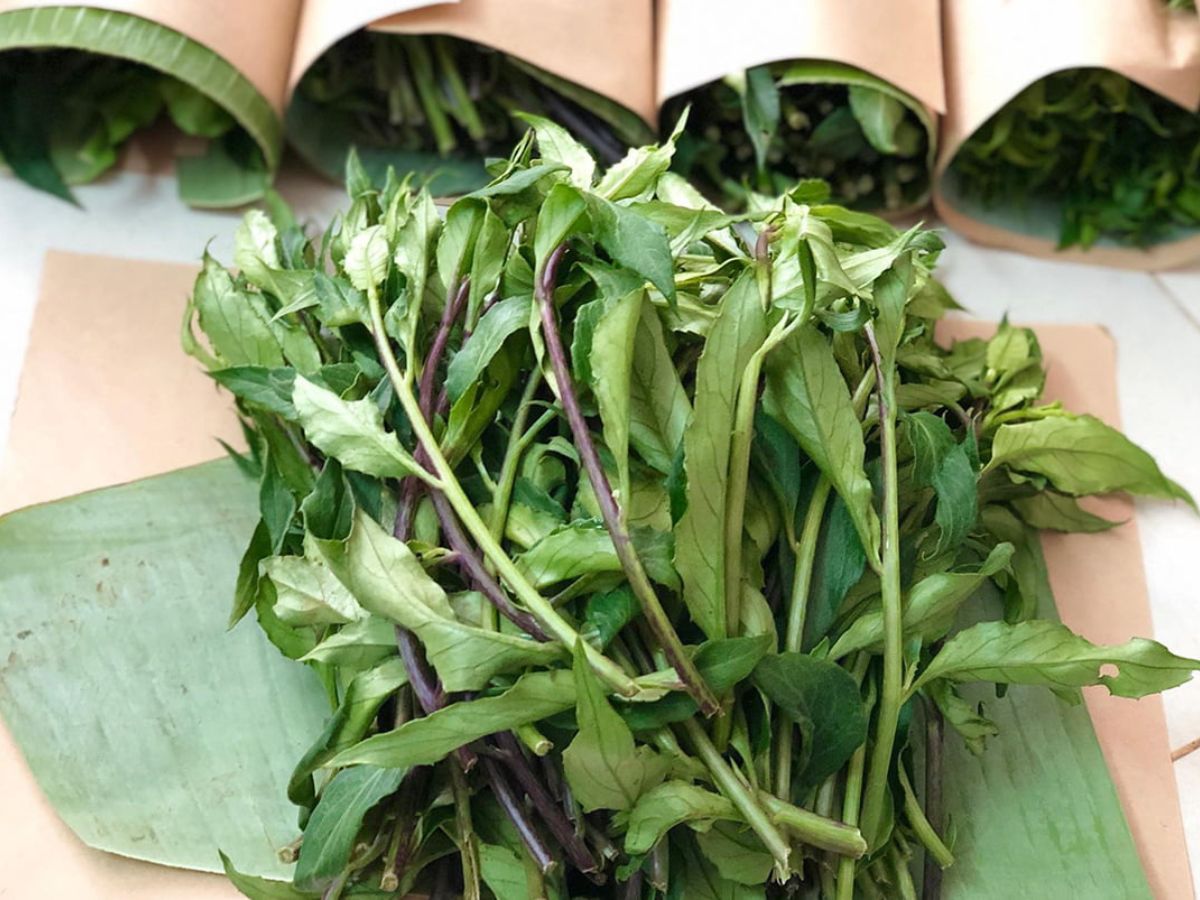
The rainy season is when many types of fresh Tay Ninh forest vegetables are available. (Source: Collection)
4.2. How to choose safe forest vegetables and preserve them when bringing them home
When choosing to buy Tay Ninh forest vegetables, prioritize fresh ones with intact leaves, not bruised, and a natural aroma. Forest vegetables picked in the morning usually retain their crispness and greenness longer.
If you want to bring them home as gifts, tourists can ask the seller to prepare them, wash them clean, and vacuum pack them. When traveling long distances, they should be stored in a sealed bag, away from direct sunlight, and not refrigerated, as low temperatures can easily cause the vegetables to wilt.
4.3. Suggestions for combining with a journey to explore Tay Ninh
A complete trip is not just about enjoying Tay Ninh forest vegetables but also an opportunity to explore the local scenery and unique culture. Tourists can start their journey at Sun World Ba Den Mountain, admire the majestic panoramic view of Ba Den Mountain, then visit Tay Ninh Holy See, a unique architectural work of Cao Dai religion, and finally end with a relaxing afternoon by Dau Tieng Lake enjoying a meal with forest vegetables, grilled fish, and sun-dried rice paper. This combination of cuisine and nature is the characteristic experience that makes everyone who visits Tay Ninh linger.
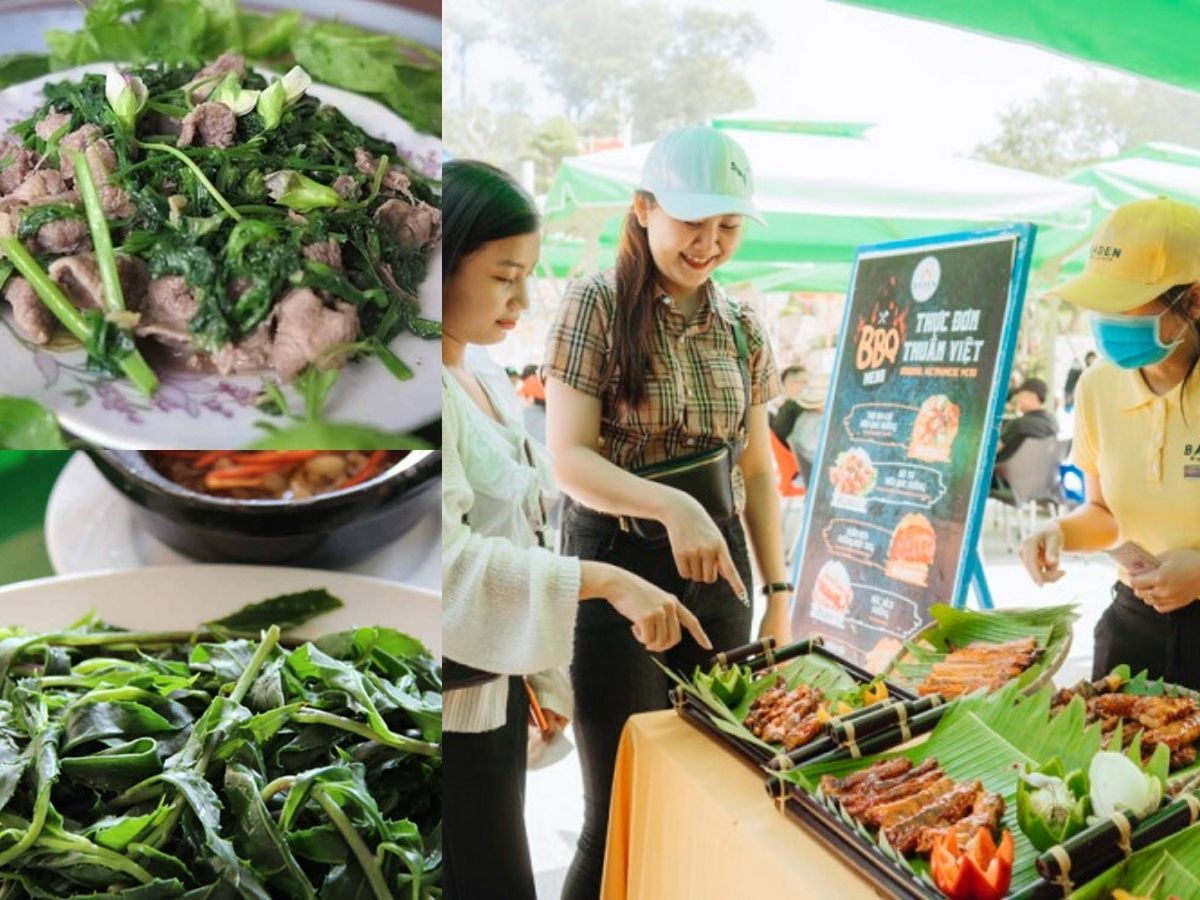
Combine culinary exploration of Tay Ninh and worship at temples on Ba Den Mountain. (Source: Collected)
Tay Ninh forest vegetables are not just rustic dishes but also symbols of the land's and people's affection in the Ba Den Mountain region. From wild vegetables growing in the forest to simple rustic family meals, all carry an authentic, familiar flavor like the people of Tay Ninh themselves. Visitors coming here not only enjoy the characteristic green cuisine but also immerse themselves in the gentle rhythm of life of the holy land.